
A dishwasher is one of the most useful appliances in any kitchen, but it also requires regular maintenance to perform effectively. Many homeowners search for how to clean dishwasher units because food particles, grease, and soap residue can build up over time, leading to unpleasant odors and reduced performance. Regular cleaning ensures dishes come out spotless and extends the lifespan of the appliance. This guide explains practical and well-researched methods for maintaining a hygienic and efficient dishwasher.
Why Regular Dishwasher Cleaning Is Important
Keeping your dishwasher clean prevents clogs and maintains water flow efficiency. Residue buildup can block spray arms and filters, resulting in poorly washed dishes. Regular maintenance also reduces the growth of bacteria and mold.
Understanding how to clean dishwasher systems helps improve overall kitchen hygiene. Clean appliances use energy more efficiently. Preventive care minimizes repair costs.
Signs Your Dishwasher Needs Cleaning
Certain signs indicate when a dishwasher requires attention. Unpleasant odors, cloudy glassware, and leftover food debris are common indicators. Slow drainage and visible grease also suggest cleaning is overdue.
Recognizing these signs supports timely maintenance. Learning how to clean dishwasher components at the right time prevents bigger problems. Early action improves performance.
Gathering Cleaning Supplies
Before starting the cleaning process, collect necessary supplies such as white vinegar, baking soda, a soft brush, dish soap, and microfiber cloths. These items effectively remove grease and mineral deposits.
Having proper supplies simplifies how to clean dishwasher interiors thoroughly. Non-abrasive tools prevent damage. Preparation ensures efficient cleaning.
Cleaning the Dishwasher Filter
The filter traps food particles and prevents clogs. Removing and rinsing it under warm water helps eliminate debris. A soft brush can remove stubborn residue.
Cleaning the filter is a crucial step in how to clean dishwasher maintenance routines. Regular filter care improves washing efficiency. Clean filters support smooth operation.
Wiping Down the Interior
The dishwasher interior can accumulate grease and soap scum. Wiping down walls, racks, and the door seal helps remove buildup. Pay special attention to corners and crevices.
This step is essential when learning how to clean dishwasher interiors effectively. Regular wiping prevents odors. Clean surfaces improve hygiene.
Using Vinegar for Deep Cleaning
White vinegar is a natural cleaner that removes mineral deposits and odors. Placing a cup of vinegar on the top rack and running a hot cycle helps disinfect the appliance. Vinegar breaks down grease and residue.
Incorporating vinegar into how to clean dishwasher routines provides eco-friendly results. This method is safe and effective. Deep cleaning enhances performance.
Baking Soda for Odor Removal
Baking soda neutralizes unpleasant smells and freshens the appliance. Sprinkling baking soda on the bottom and running a short cycle eliminates lingering odors. It also helps remove stains.
Using baking soda complements how to clean dishwasher methods naturally. This step improves overall freshness. Combined with vinegar, it delivers excellent results.
Cleaning Spray Arms
Spray arms distribute water during washing cycles and may clog with debris. Removing and rinsing them ensures proper water flow. Toothpicks can help clear small holes.
Maintaining spray arms is an important part of how to clean dishwasher performance. Proper cleaning ensures effective washing. Clear spray arms improve efficiency.
Maintaining the Dishwasher Exterior
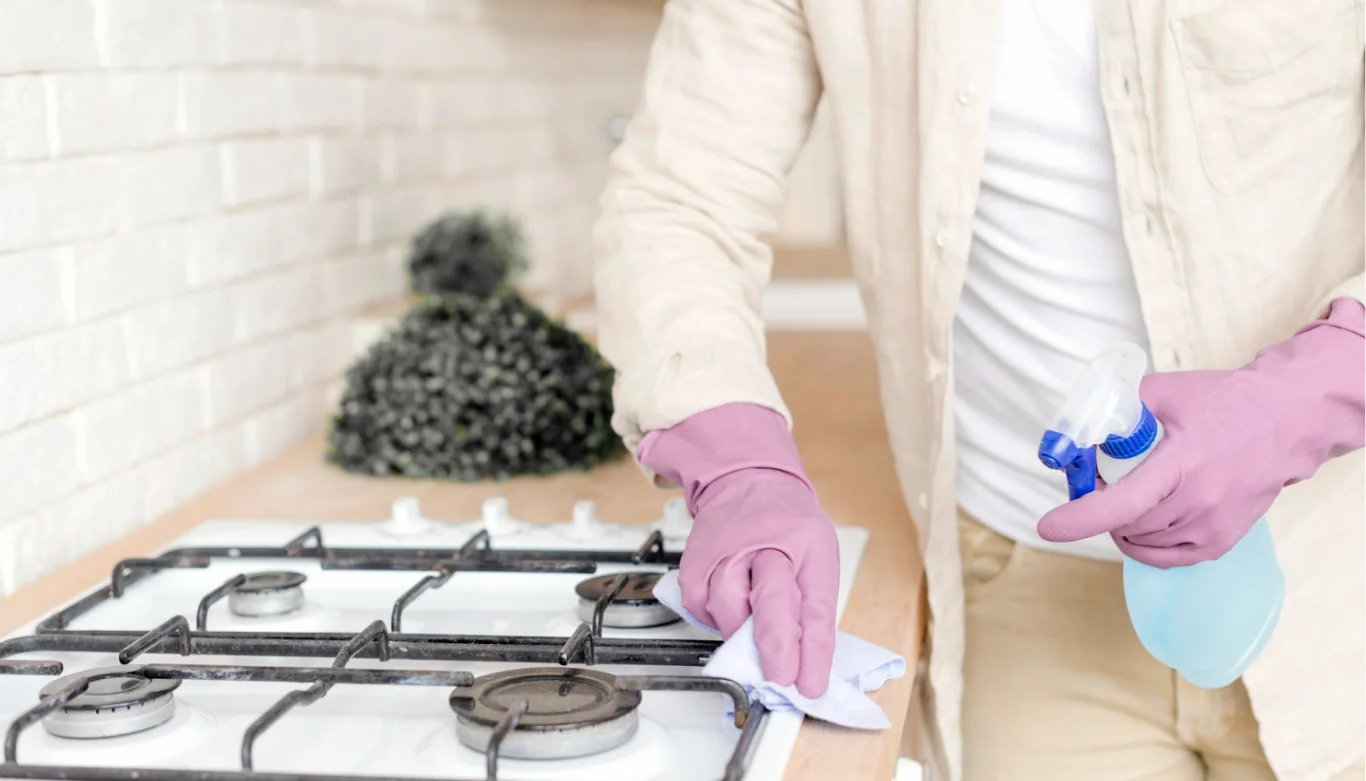
Exterior cleaning improves appearance and prevents grease buildup. Using mild detergent and a damp cloth removes fingerprints and stains. Stainless steel cleaners restore shine.
Including exterior care in how to clean dishwasher routines keeps the appliance looking new. Regular maintenance enhances kitchen aesthetics. Clean surfaces maintain durability.
Preventive Maintenance Tips
Preventive care reduces the need for deep cleaning. Scraping food from dishes before loading minimizes debris. Running hot cycles occasionally helps dissolve residue.
Consistent habits support how to clean dishwasher efficiency over time. Routine maintenance prevents major issues. Preventive steps save time and money.
Conclusion
Understanding how to clean dishwasher appliances ensures better performance, hygiene, and longevity. Regular cleaning prevents odors, clogs, and inefficient washing results. Simple methods like vinegar and baking soda offer effective solutions without harsh chemicals.
By maintaining filters, spray arms, and interior surfaces, homeowners can keep their dishwashers operating smoothly. Consistent care improves appliance lifespan and ensures spotless dishes every time.
FAQs
How often should I clean my dishwasher?
Cleaning once a month helps maintain efficiency and hygiene.
Can vinegar damage my dishwasher?
No, vinegar is safe when used occasionally for cleaning purposes.
Why does my dishwasher smell bad?
Food debris and moisture buildup often cause unpleasant odors.
Is baking soda safe for dishwasher cleaning?
Yes, baking soda effectively removes odors and stains.
Do I need special cleaners for my dishwasher?
Natural cleaners like vinegar and baking soda are usually sufficient for regular maintenance.