
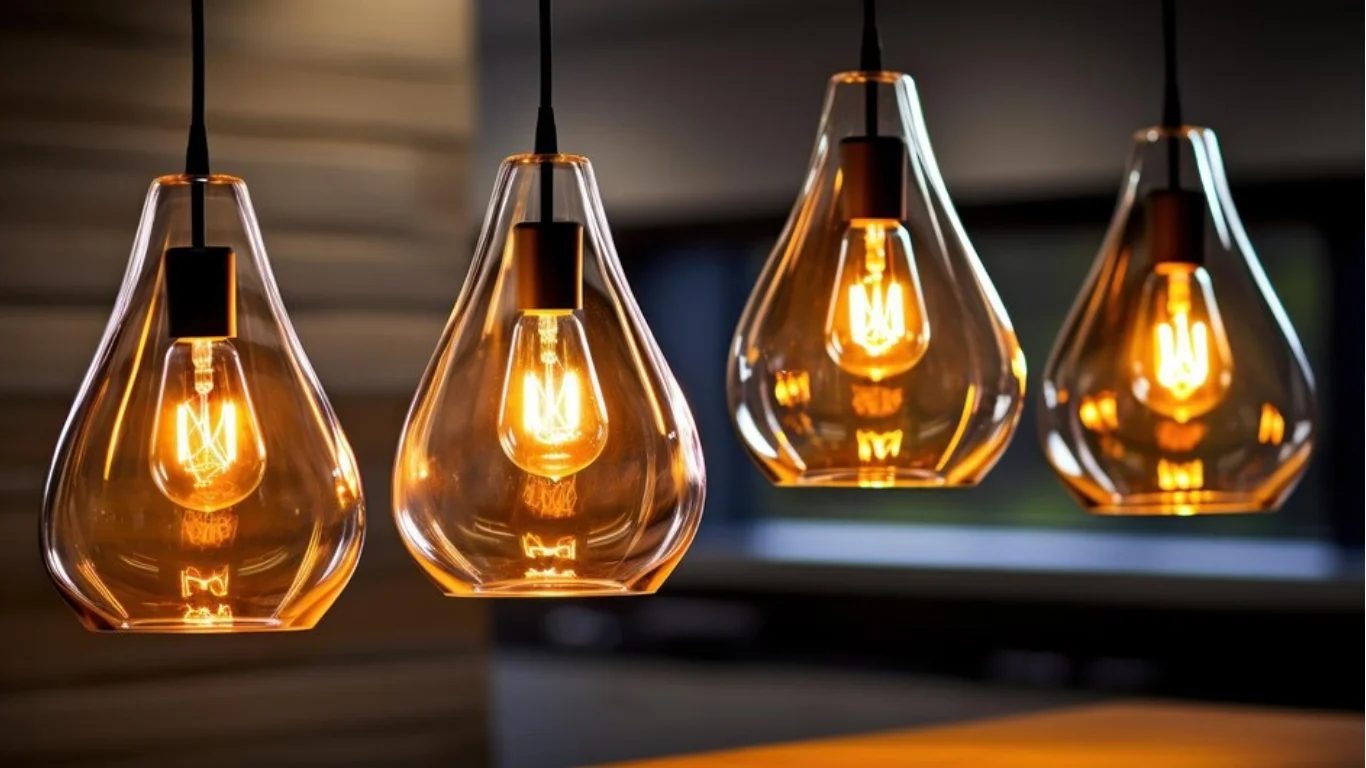
Lighting plays a major role in creating comfortable and functional living spaces, and incandescent light bulbs have been a household staple for more than a century. Known for their warm glow and simple design, these bulbs have illuminated homes, offices, and public spaces for generations. Many people still prefer incandescent light bulbs for their natural color quality and affordability despite the availability of newer technologies. This guide provides detailed insights into how they work, their advantages, limitations, and how they compare with modern lighting options.
What Are Incandescent Light Bulbs
Incandescent light bulbs produce light by heating a thin metal filament until it glows. When electricity passes through the filament, it generates heat and emits visible light. This simple mechanism has made them widely used for many years.
These bulbs are known for their immediate brightness and consistent performance. Their design has remained largely unchanged since their invention. The simplicity of incandescent lighting contributes to their reliability.
How Incandescent Light Bulbs Work
Inside the bulb, a tungsten filament is enclosed within a glass chamber filled with inert gas. When electricity flows, the filament heats to high temperatures and produces light. The glass enclosure prevents the filament from burning out quickly.
This process is efficient in producing warm light but generates significant heat. The conversion of energy into heat rather than light is one of the key characteristics. Understanding this mechanism helps explain their performance differences.
Advantages of Using Incandescent Light Bulbs
One of the main benefits of incandescent light bulbs is their ability to produce warm and natural-looking light. This type of lighting enhances indoor comfort and complements various interior designs. They are also affordable and easy to install.
These bulbs provide instant illumination without warm-up time. They work with most dimmer switches, offering flexibility. Their wide compatibility makes them convenient for many households.
Limitations and Energy Efficiency
Despite their popularity, incandescent light bulbs are less energy-efficient compared to modern alternatives. A significant portion of electricity is lost as heat rather than converted into light. This leads to higher energy consumption.
Frequent replacements are often necessary because they have shorter lifespans. Increased energy use also contributes to higher utility bills. Understanding these limitations helps consumers make informed choices.
Environmental Impact
Energy inefficiency affects the environment by increasing electricity demand. Higher energy usage leads to greater carbon emissions. Disposal of old bulbs also raises concerns.
Many countries encourage energy-saving alternatives to reduce environmental impact. Choosing efficient lighting supports sustainability. Awareness of environmental effects influences purchasing decisions.
Comparing Incandescent Bulbs with LED and CFL Options
Modern lighting technologies such as LED and CFL bulbs offer improved efficiency. LED bulbs use significantly less energy and last longer. CFLs also provide energy savings with reduced heat output.
While newer options are costlier initially, they offer long-term benefits. Incandescent light bulbs remain popular for their color quality. Comparison helps consumers choose suitable lighting.
Common Uses of Incandescent Lighting
Incandescent lighting is often used in areas where warm ambiance is desired. Living rooms, bedrooms, and decorative fixtures benefit from their glow. They are also used in specialty applications.
Their compatibility with dimmers makes them ideal for mood lighting. They are widely available in various shapes and sizes. Versatility supports continued usage.
Maintenance and Safety Tips
Proper handling ensures safety when using incandescent lighting. Avoid touching bulbs with bare hands to prevent residue buildup. Allow bulbs to cool before replacement.
Using appropriate wattage prevents overheating. Regular inspection helps identify issues. Safe practices extend bulb lifespan.
Future of Incandescent Lighting
Advancements in lighting technology continue to reduce reliance on traditional bulbs. Energy regulations promote efficient alternatives. However, some consumers still prefer classic lighting.
Manufacturers may develop improved versions with better efficiency. Consumer preferences influence market trends. Awareness of options helps informed decisions.
Conclusion
Incandescent light bulbs have played an important role in lighting history due to their simplicity and warm illumination. While they offer comfort and compatibility, their energy inefficiency has led to the rise of modern alternatives. Understanding their features helps consumers evaluate their suitability.
Choosing the right lighting depends on personal preferences, energy considerations, and environmental impact. With evolving technology, homeowners can balance tradition with efficiency to meet their needs.
FAQs
What makes incandescent light bulbs different from LED bulbs?
They produce light by heating a filament, while LEDs use semiconductor technology.
Are incandescent bulbs energy-efficient?
No, they convert much of their energy into heat rather than light.
Can incandescent bulbs be used with dimmer switches?
Yes, they are compatible with most dimmers.
Why are incandescent bulbs being phased out?
Energy efficiency regulations encourage alternatives.
Do incandescent bulbs provide better color quality?
They offer warm, natural light that many people find appealing.