
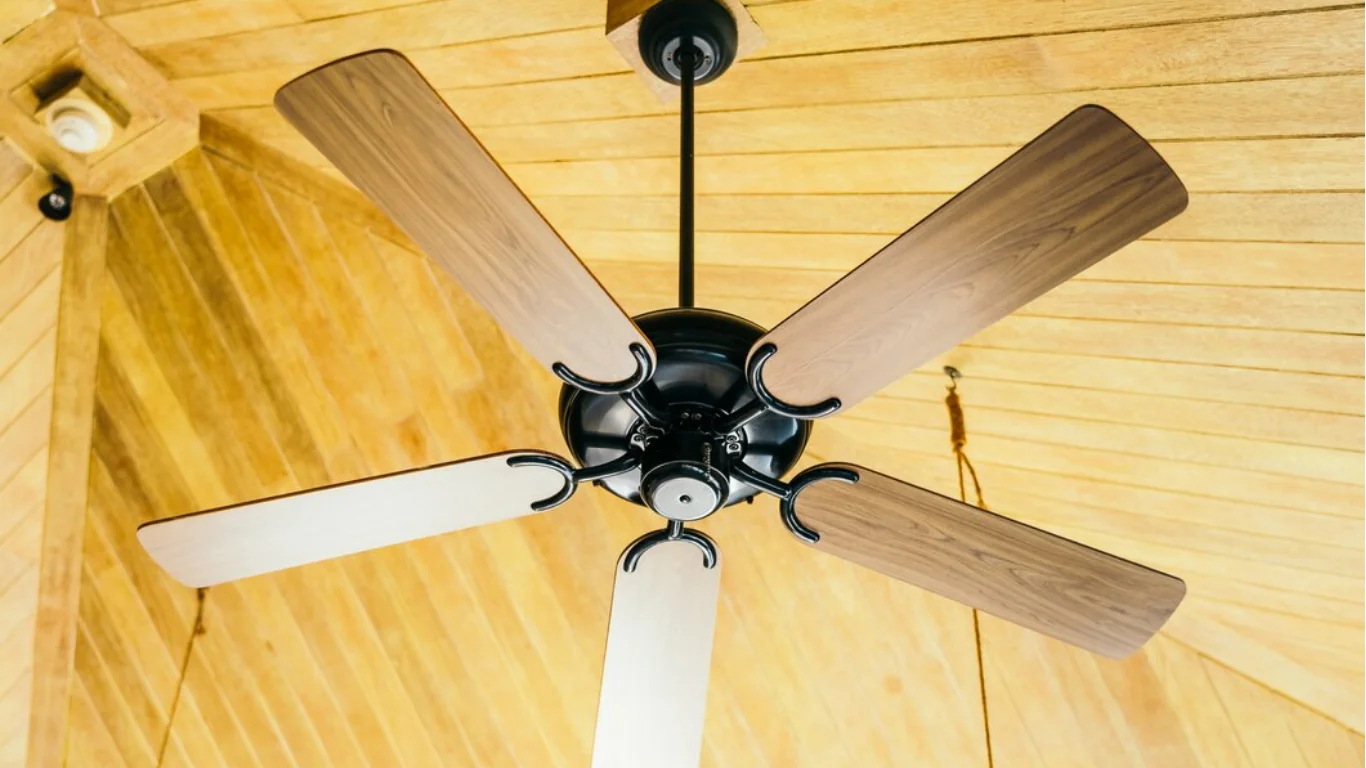
Many homeowners have heard conflicting advice about ceiling fan rotation and its impact on room temperature. The ceiling fan direction myth suggests that simply changing the fan’s direction can dramatically heat or cool a room without other adjustments. While fan direction does influence airflow and comfort, it does not actually change the air temperature. Understanding how fan rotation works can help improve comfort, reduce energy costs, and clarify common misconceptions about ceiling fan usage.
Understanding How Ceiling Fans Circulate Air
Ceiling fans do not cool or heat the air; instead, they move it to create a wind-chill effect. When air circulates across the skin, it accelerates evaporation and makes people feel cooler. This is why rooms seem more comfortable when fans are running.
The ceiling fan direction myth often starts with the misunderstanding that fans alter room temperature. In reality, they only redistribute air. The perceived cooling or warming comes from airflow patterns rather than temperature changes.
Clockwise vs Counterclockwise Rotation
Ceiling fans typically rotate in two directions to serve different seasonal needs. During warmer months, counterclockwise rotation pushes air downward, creating a breeze. This airflow produces a cooling effect that improves comfort.
In colder months, clockwise rotation pulls cool air upward and pushes warm air down along the walls. This helps distribute heat more evenly without creating a strong draft. Understanding this function helps clarify the ceiling fan direction myth.
Why the Ceiling Fan Direction Myth Persists
The myth continues because people often associate airflow with temperature change. When a room feels cooler, it is easy to assume the fan has reduced the temperature. In reality, the effect only occurs when someone is present to feel the breeze.
Another reason for confusion is inconsistent advice shared online. Without clear explanations, many believe fan direction directly alters heating or cooling. Education helps dispel the ceiling fan direction myth.
Energy Efficiency and Cost Savings
Using the correct fan direction can support energy efficiency. In summer, fans allow higher thermostat settings while maintaining comfort. In winter, they help distribute warm air, reducing heating demand.
However, the ceiling fan direction myth should not be confused with actual energy savings. Fans assist climate control systems but do not replace them. Proper usage can lower energy costs when combined with heating or cooling systems.
Common Mistakes When Using Ceiling Fans
One common mistake is leaving fans running in empty rooms. Since fans cool people rather than spaces, this wastes electricity. Another mistake is failing to adjust fan speed and direction seasonally.
Understanding proper usage helps avoid reinforcing the ceiling fan direction myth. Regular adjustments ensure maximum comfort and efficiency. Awareness improves long-term appliance performance.
Scientific Explanation Behind Airflow Effects
The wind-chill effect explains why moving air feels cooler on the skin. Air circulation enhances heat transfer away from the body. This principle applies regardless of the actual room temperature.
The ceiling fan direction myth overlooks this scientific explanation. Fans create perceived comfort rather than temperature changes. Knowing this difference improves expectations.
Choosing the Right Ceiling Fan for Your Space
Fan size and blade design influence airflow efficiency. Larger rooms require fans with longer blades to circulate air effectively. Proper placement ensures balanced air distribution.
Selecting the right model supports effective performance without contributing to the ceiling fan direction myth. Installation height and speed settings also matter. Good choices improve comfort year-round.
Seasonal Adjustment Tips
Adjusting fan direction seasonally ensures optimal performance. In summer, set the fan to counterclockwise at higher speeds. In winter, switch to clockwise at lower speeds to avoid drafts.
Regular seasonal adjustments prevent misunderstandings about fan performance. Proper usage clarifies the ceiling fan direction myth. Consistency improves comfort.
Conclusion
The ceiling fan direction myth arises from misunderstandings about airflow and temperature. While fan rotation affects comfort, it does not change actual room temperature. Correct usage enhances air circulation, supports energy efficiency, and improves seasonal comfort.
By understanding how ceiling fans work, homeowners can use them effectively without unrealistic expectations. Adjusting fan direction based on seasons helps maintain a pleasant indoor environment while reducing energy costs.
FAQs
Does ceiling fan direction actually change room temperature?
No, it only changes airflow, creating a cooling or warming effect on people rather than altering temperature.
Which direction should a ceiling fan rotate in summer?
Counterclockwise rotation pushes air downward, producing a cooling breeze.
What is the best fan direction for winter?
Clockwise rotation helps circulate warm air without creating drafts.
Can ceiling fans reduce energy bills?
Yes, when used correctly alongside heating or cooling systems, they can improve efficiency.
Should ceiling fans run all day?
Fans should only run when someone is present to benefit from the airflow.