Using renewable energy in outdoor spaces has become increasingly popular as homeowners look for sustainable and cost-effective solutions. Installing solar panels for garden areas allows individuals to power lighting, fountains, security systems, and other outdoor devices without relying on traditional electricity. These panels harness sunlight and convert it into usable energy, making them environmentally friendly and efficient. This guide explains everything you need to know about choosing, installing, and maintaining garden solar panels for maximum performance and long-term savings.
What Are Solar Panels for Garden Use
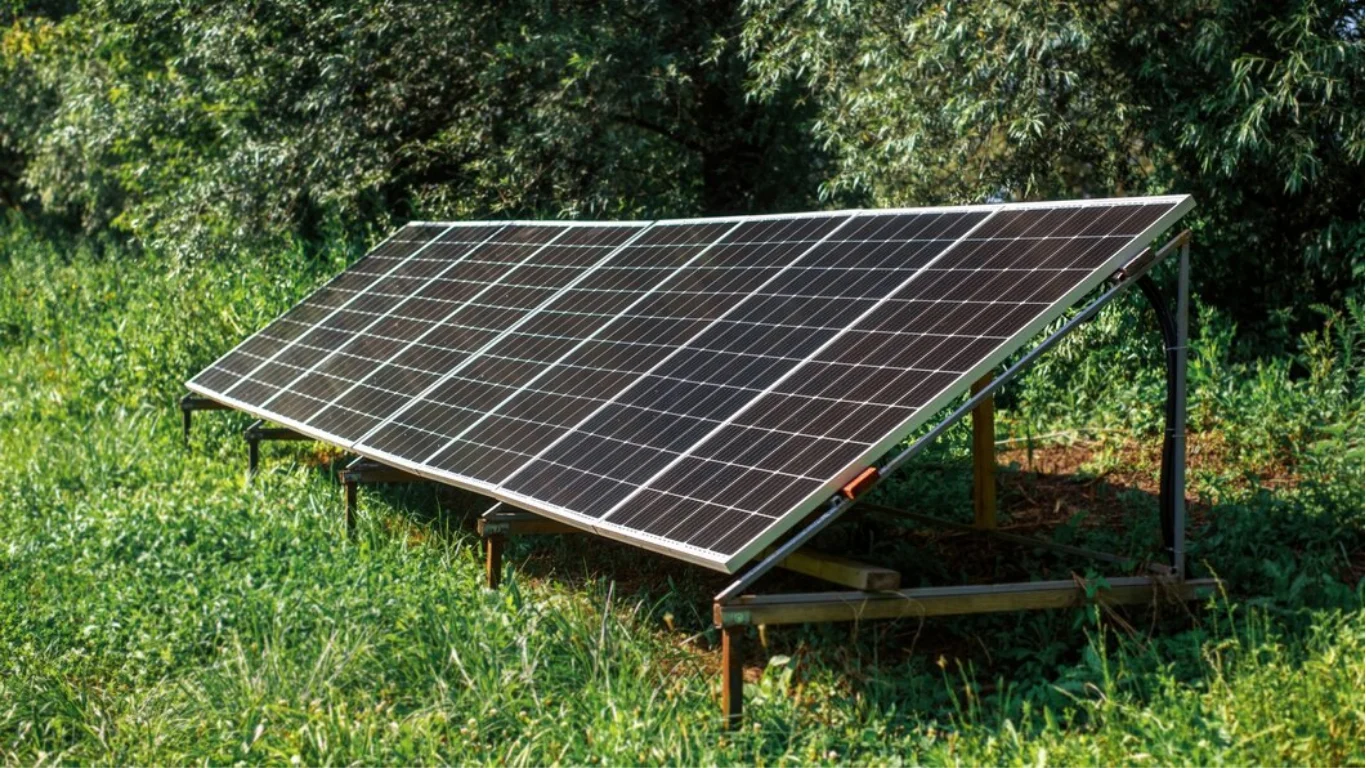
Solar panels designed for gardens are compact energy systems that capture sunlight and convert it into electricity for outdoor applications. They are commonly used to power garden lights, water features, and small appliances. These panels are built to withstand various weather conditions while maintaining efficiency.
Choosing solarpanels for garden settings provides a practical way to reduce electricity consumption. They operate quietly and require minimal maintenance. Their eco-friendly design makes them ideal for sustainable outdoor living.
Benefits of Installing Solar Panels in Gardens
Solar panels offer numerous advantages, including energy savings and environmental protection. They reduce dependency on traditional electricity sources and lower monthly energy bills. Renewable energy also helps decrease carbon emissions.
One major reason homeowners invest in solar panels for garden use is their cost-effectiveness over time. Once installed, they require little upkeep while providing consistent energy. This makes them a long-term investment for outdoor spaces.
Types of Solar Panels Suitable for Gardens
Different types of panels are available depending on energy needs and budget. Monocrystalline panels are highly efficient and suitable for smaller spaces. Polycrystalline panels are more affordable but slightly less efficient.
Thin-film panels are lightweight and flexible, making them easy to install in creative locations. Selecting the right solar panels for garden use depends on energy requirements and available sunlight. Each type offers unique advantages.
Ideal Placement for Maximum Efficiency
Proper placement plays a critical role in maximizing solar energy production. Panels should be positioned where they receive direct sunlight for most of the day. Avoid placing them under trees or near structures that cast shadows.
Adjusting the angle improves performance throughout the year. Solar panels for garden setups work best when oriented toward the sun’s path. Strategic placement ensures consistent energy generation.
Applications of Solar Energy in Gardens
Solar energy can power a variety of garden features. Lighting systems, irrigation pumps, and decorative fountains benefit from renewable energy sources. Solar-powered devices enhance outdoor aesthetics and functionality.
Using solar panels for garden features increases convenience while promoting sustainability. Automated lighting improves safety and visibility. Renewable energy supports eco-friendly landscaping.
Installation Process and Considerations
Installing solar panels involves selecting the right location, securing mounting equipment, and connecting energy storage systems. Professional installation ensures optimal performance and safety. DIY options are also available for smaller systems.
Before installing solar panels for garden use, assess energy needs and sunlight exposure. Proper planning prevents inefficiencies. Correct installation maximizes output and durability.
Maintenance and Care Tips
Regular maintenance helps maintain panel efficiency. Cleaning dust and debris from surfaces ensures optimal sunlight absorption. Checking wiring connections prevents performance issues.
Maintaining solar panels for garden areas requires minimal effort compared to traditional energy systems. Periodic inspections extend lifespan. Proper care ensures reliable performance.
Cost and Return on Investment
The initial cost of solar panels varies depending on size and type. While installation may require an upfront investment, long-term savings offset expenses. Government incentives may also reduce costs.
Investing in solar panels for garden use provides financial and environmental benefits. Reduced electricity bills contribute to faster returns. Sustainable energy solutions add property value.
Environmental Impact
Solar energy is one of the cleanest renewable resources available. Using solar panels reduces reliance on fossil fuels and lowers greenhouse gas emissions. Eco-friendly practices support environmental conservation.
Adopting solar panels for garden energy needs contributes to sustainable living. Reduced pollution benefits ecosystems. Renewable energy promotes responsible consumption.
Future Trends in Garden Solar Technology
Advancements in solar technology continue to improve efficiency and affordability. Innovations include flexible panels, improved battery storage, and smart energy management systems. These developments enhance usability.
The future of solar panels for garden applications looks promising as demand grows. Technological progress increases accessibility. Renewable energy remains a key focus for homeowners.
Conclusion
Solar panels for garden use offer an eco-friendly and cost-effective way to power outdoor features while reducing environmental impact. With proper installation, maintenance, and placement, these panels provide reliable energy for years. Their versatility makes them suitable for various applications, from lighting to irrigation.
By investing in renewable energy, homeowners can enjoy sustainable outdoor living while saving money. Solar technology continues to evolve, making it easier to integrate eco-friendly solutions into everyday life.
FAQs
How do solar panels for garden use work?
They capture sunlight and convert it into electricity to power outdoor devices.
Are garden solar panels weather-resistant?
Yes, most panels are designed to withstand rain, wind, and temperature changes.
Do solar panels require professional installation?
Small systems can be installed independently, but larger setups benefit from professional assistance.
How often should solar panels be cleaned?
Cleaning every few months helps maintain efficiency and performance.
Can solar panels power multiple garden features?
Yes, depending on their capacity, they can support lighting, pumps, and other devices.