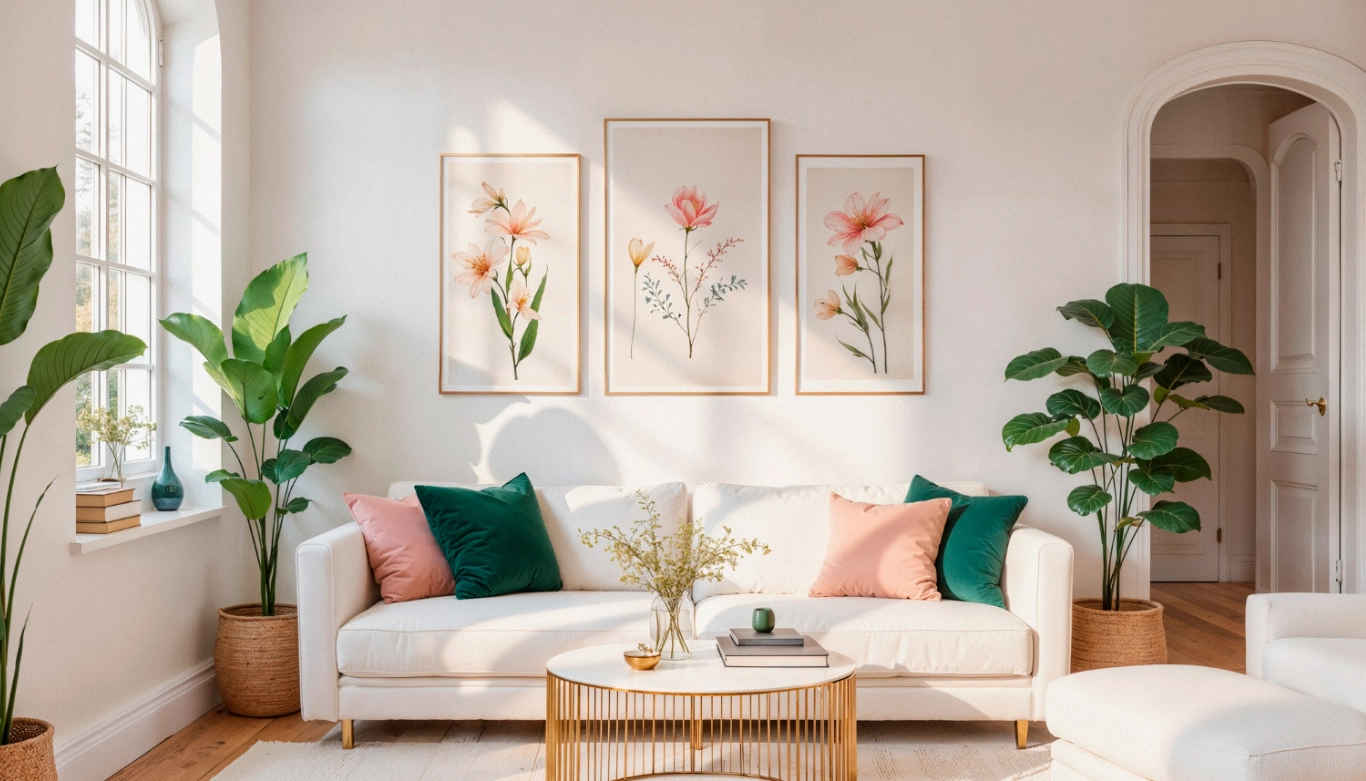
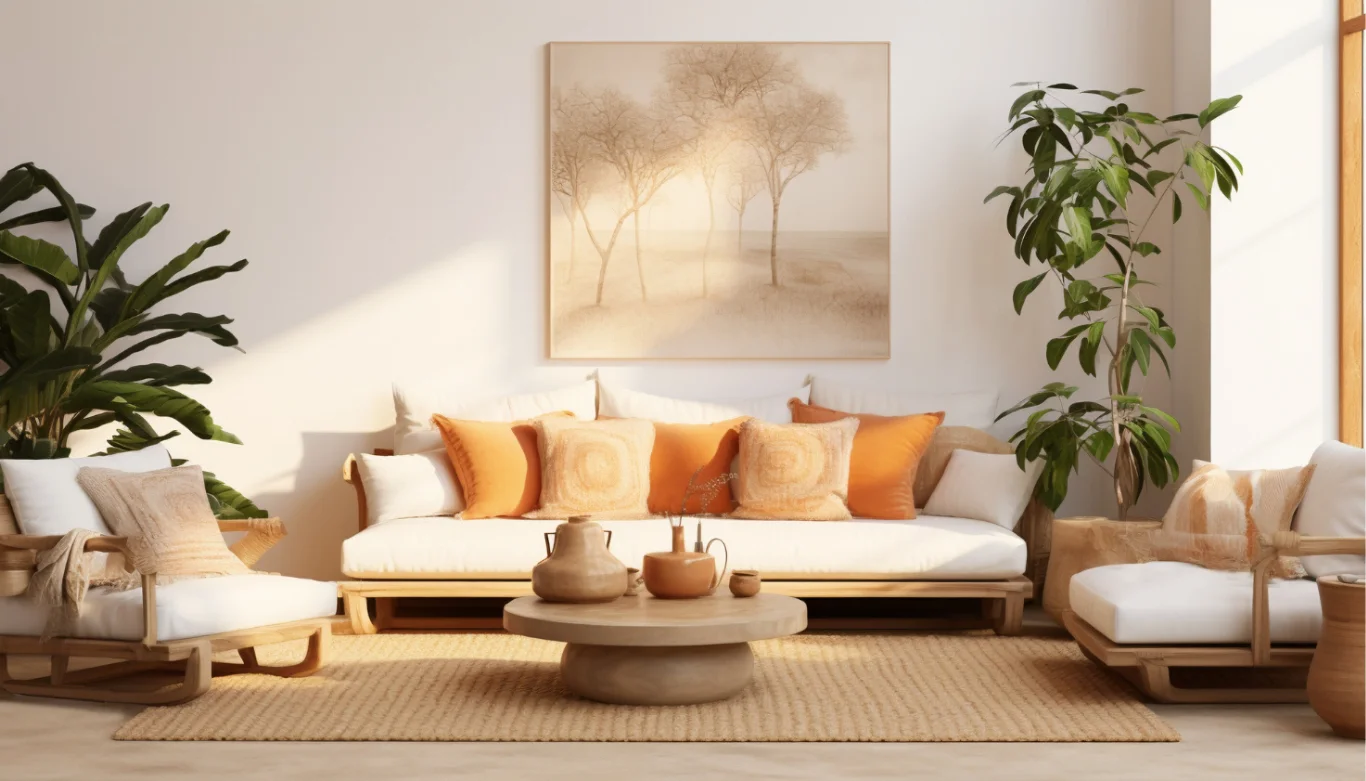
Living room furniture plays a central role in creating a comfortable and visually appealing home environment. As the main gathering space, the living room should reflect both personal style and practical needs. Choosing the right pieces can enhance relaxation, improve functionality, and elevate overall interior design. Understanding materials, layouts, and current trends helps homeowners invest wisely in living room furniture that lasts for years.
Importance of Living Room Furniture
Living room furniture defines how the space is used and experienced daily. Sofas, chairs, and tables influence comfort, conversation flow, and room aesthetics. Well-selected pieces create harmony between design and functionality. A thoughtfully arranged living room encourages both relaxation and social interaction.
Beyond comfort, living room furniture contributes to the value and appeal of a home. High-quality materials and timeless designs ensure durability and long-term satisfaction. Choosing versatile pieces allows flexibility as needs change. Investing carefully enhances both style and practicality.
Essential Types of Living Room Furniture
The foundation of living room furniture typically includes a sofa, coffee table, and seating options such as armchairs or recliners. Sofas are available in various styles, including sectional, loveseat, and sleeper designs. Each type serves different space requirements and lifestyle preferences. Selecting the right configuration ensures balanced proportions.
Additional living room furniture pieces may include side tables, entertainment units, and storage cabinets. These items provide organization while enhancing the room’s appearance. Accent chairs and ottomans add extra seating and decorative value. Combining essential and complementary pieces creates a cohesive layout.
Choosing the Right Materials
Material selection significantly impacts the durability and comfort of living room furniture. Popular upholstery options include leather, fabric, and microfiber. Leather offers a sophisticated look and easy maintenance, while fabric provides a wide range of textures and colors. Each material has unique benefits based on lifestyle needs.
Wood, metal, and glass are common materials for tables and frames. Solid wood provides strength and classic appeal. Metal frames add a modern touch and durability. Carefully selecting materials ensures long-lasting performance and aesthetic harmony.
Layout and Space Planning
Proper layout planning is crucial when arranging living room furniture. Measuring the room before purchasing prevents overcrowding and imbalance. Furniture should allow smooth traffic flow while maintaining a comfortable seating arrangement. Balanced spacing enhances both appearance and usability.
Creating focal points, such as around a television or fireplace, helps organize living room furniture effectively. Area rugs can anchor seating areas and define zones. Strategic placement maximizes both comfort and style. Thoughtful planning transforms any space into a welcoming environment.
Comfort and Ergonomics
Comfort is a primary factor when selecting living room furniture. Cushions should provide adequate support without feeling too firm or too soft. Ergonomic design promotes proper posture during extended seating. Testing furniture before purchase helps ensure satisfaction.
Seat depth, back height, and armrest design all influence overall comfort. Adjustable features, such as reclining mechanisms, add convenience. Prioritizing comfort enhances everyday living experiences. Quality craftsmanship ensures long-term usability.
Modern Trends in Living Room Furniture
Current trends in living room furniture focus on minimalism and multifunctionality. Neutral color palettes and clean lines remain popular choices. Modular and convertible furniture pieces offer flexibility for changing needs. These designs maximize both style and practicality.
Sustainable materials and eco-friendly production methods are also gaining importance. Consumers increasingly seek durable and environmentally responsible options. Mixing modern and traditional elements creates timeless appeal. Staying informed about trends ensures a stylish yet functional living space.
Maintenance and Care Tips
Proper maintenance extends the lifespan of living room furniture. Regular cleaning prevents dust buildup and preserves upholstery quality. Following manufacturer care instructions protects materials from damage. Routine upkeep maintains both appearance and comfort.
Protective measures such as using coasters and avoiding direct sunlight prevent wear and fading. Rotating cushions evenly distributes use and reduces sagging. Timely repairs address minor issues before they worsen. Consistent care ensures long-lasting performance.
Conclusion
Living room furniture is a key element in designing a comfortable, functional, and stylish home. From selecting durable materials to planning thoughtful layouts, every decision contributes to the overall experience. Prioritizing comfort, quality, and design ensures long-term satisfaction. Investing in well-chosen living room furniture enhances both daily living and home value.
FAQs
What is the most important piece of living room furniture?
The sofa is often considered the most important piece of living room furniture. It serves as the primary seating and focal point. Choosing a comfortable and durable sofa is essential.
How do I choose living room furniture for a small space?
Select compact and multifunctional pieces to maximize space. Avoid oversized items that overwhelm the room. Strategic placement improves openness and comfort.
Which material is best for living room furniture?
The best material depends on lifestyle and maintenance preferences. Leather is durable and easy to clean, while fabric offers more variety. Choosing high-quality materials ensures longevity.
How long should living room furniture last?
High-quality living room furniture can last many years with proper care. Durability depends on materials and usage. Regular maintenance extends lifespan significantly.