Low water pressure is a common household problem that affects showers, sinks, washing machines, and overall comfort. Many homeowners search for how to improve water pressure in my house because weak flow makes daily tasks slow and frustrating. The good news is that in most cases, water pressure issues can be fixed with the right inspection and targeted solutions.
This article explains how to improve water pressure in my house using practical, proven methods. It covers causes, step-by-step fixes, plumbing upgrades, and when to call a professional. All information is structured to help homeowners solve the issue efficiently and safely.
Common Causes of Low Water Pressure
Low water pressure usually starts with restricted water flow somewhere in the system. Common causes include clogged pipes, mineral buildup, partially closed valves, leaks, or outdated plumbing materials. In some cases, the issue may come from the municipal water supply rather than inside the house.
Older homes are more likely to experience pressure problems due to corroded galvanized pipes. Hard water also contributes to scale buildup that slowly reduces flow over time. Identifying the root cause is the first step in learning how to improve water pressure in my house effectively.
Check the Main Water Shutoff Valve
The main shutoff valve controls how much water enters your home. If this valve is not fully open, water pressure will be reduced throughout the entire house. This often happens after plumbing repairs or maintenance work.
Locate the main shutoff valve and ensure it is fully open by turning it counterclockwise. This simple adjustment can immediately improve water pressure in my house without any cost. It should always be checked before moving on to more complex solutions.
Inspect Fixtures and Aerators
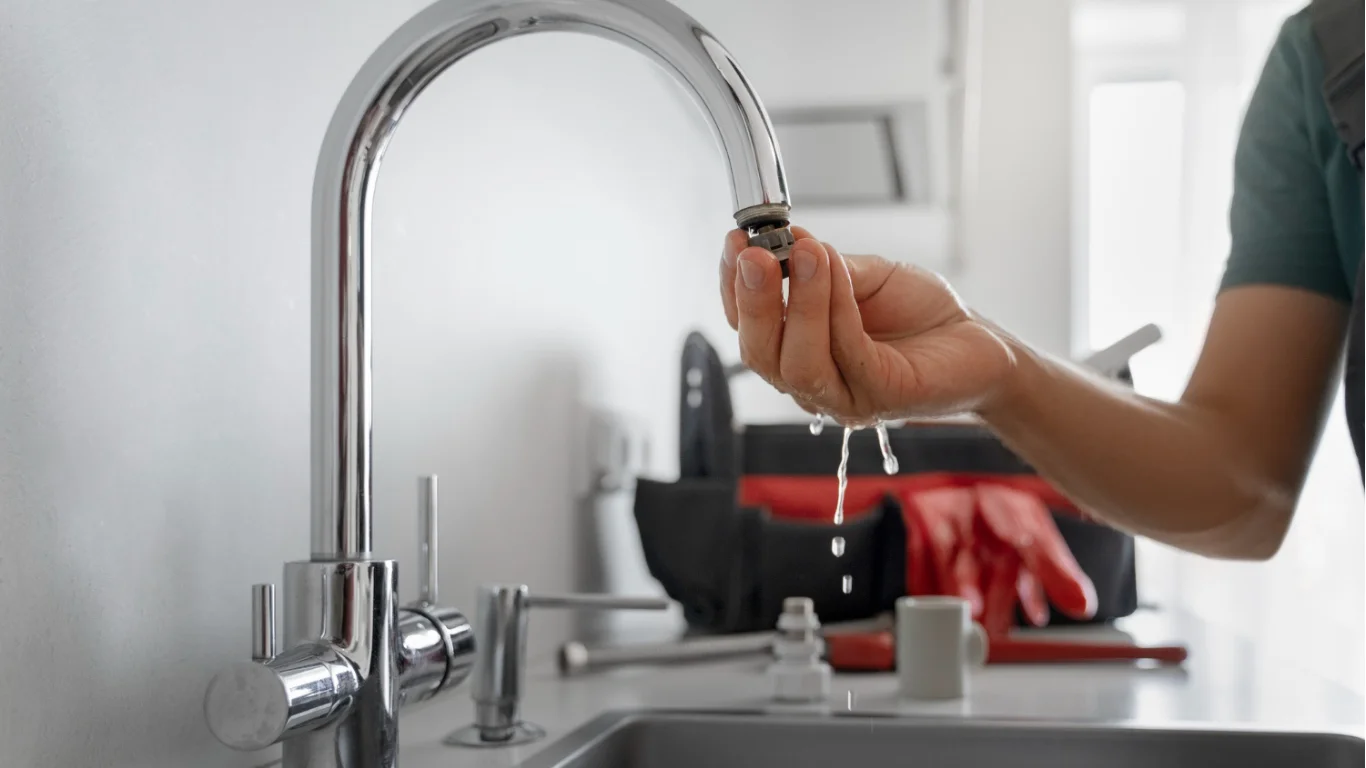
Faucet aerators and showerheads are common places for mineral deposits to build up. These deposits restrict water flow and make pressure feel weaker than it actually is. This issue is especially common in homes with hard water.
Removing and cleaning aerators can restore normal flow quickly. If cleaning does not help, replacing old fixtures with modern low-resistance designs can significantly improve water pressure in my house at a low cost.
Look for Hidden Leaks
Leaks reduce water pressure by diverting water away from fixtures before it reaches them. Some leaks are visible, but many occur behind walls, under floors, or underground. Signs include damp spots, mold, or an unusually high water bill.
Fixing leaks restores lost pressure and prevents structural damage. Addressing leaks is a critical step when learning how to improve water pressure in my house because untreated leaks can worsen over time.
Check Pipe Condition and Material
The condition and type of pipes in your home have a major impact on water pressure. Older galvanized steel pipes corrode internally, reducing the effective diameter of the pipe. This restricts water flow even if pressure from the source is normal.
Replacing old pipes with copper or PEX improves flow and reliability. While this solution costs more upfront, it provides a long-term answer to how to improve water pressure in my house and reduces future plumbing problems.
Test Water Pressure Levels
Testing your water pressure helps determine whether the problem is inside your home or from the main supply. A pressure gauge attached to an outdoor spigot provides an accurate reading. Normal residential pressure usually ranges between 40 and 60 PSI.
If pressure is low at all outlets, the issue may be with the supply or main line. Knowing the pressure level allows you to choose the right solution to improve water pressure in my house safely.
Install a Water Pressure Booster Pump
If municipal water pressure is consistently low, a booster pump may be the best solution. These pumps increase pressure entering the home and regulate it automatically. They are especially useful for large homes or multi-story buildings.
A booster pump must be installed correctly to avoid damaging plumbing. When properly installed, it is one of the most effective ways to improve water pressure in my house when external supply is the issue.
Adjust or Replace Pressure Regulator
Some homes have a pressure-reducing valve that controls incoming water pressure. If this regulator fails or is set too low, water pressure will drop. Over time, these valves can wear out or clog with debris.
A plumber can adjust or replace the regulator to restore proper pressure. This solution is often overlooked but can be essential for homeowners trying to improve water pressure in my house.
Reduce Simultaneous Water Usage
Running multiple fixtures at the same time reduces available pressure. Showers, washing machines, dishwashers, and outdoor hoses all compete for water flow. This can make pressure seem worse than it actually is.
Upgrading to efficient fixtures and spreading water use throughout the day can help. While this does not increase supply, it improves water pressure in my house during peak usage times.
When to Call a Professional Plumber
Some water pressure problems require professional tools and expertise. Pipe replacement, pressure regulator issues, and booster pump installation should be handled by licensed plumbers. DIY fixes are not always safe for complex systems.
Calling a professional ensures the solution is safe, code-compliant, and effective. For persistent issues, expert help is often the fastest way to improve water pressure in my house long term.
Conclusion
Understanding how to improve water pressure in my house starts with identifying the cause. Simple fixes like opening valves, cleaning fixtures, and fixing leaks can solve many problems quickly. For long-term improvement, pipe upgrades, pressure regulators, or booster pumps may be required.
By following these steps and addressing issues early, homeowners can restore strong, consistent water flow. Improving water pressure increases comfort, protects appliances, and improves overall home functionality.
FAQs
Why is my water pressure low throughout the house?
Low pressure throughout the house is usually caused by closed valves, pipe corrosion, leaks, or low municipal supply.
Can old pipes reduce water pressure?
Yes, corroded or clogged pipes significantly restrict flow and are a common cause of low pressure.
Is a water pressure booster safe to use?
Yes, when installed correctly and set within safe PSI limits, booster pumps are safe for residential plumbing.
How much does it cost to fix water pressure issues?
Costs range from simple free fixes to several thousand dollars for pipe replacement or booster systems.
How long does it take to fix low water pressure?
Simple issues can be fixed in minutes, while major upgrades may take several days depending on the solution.