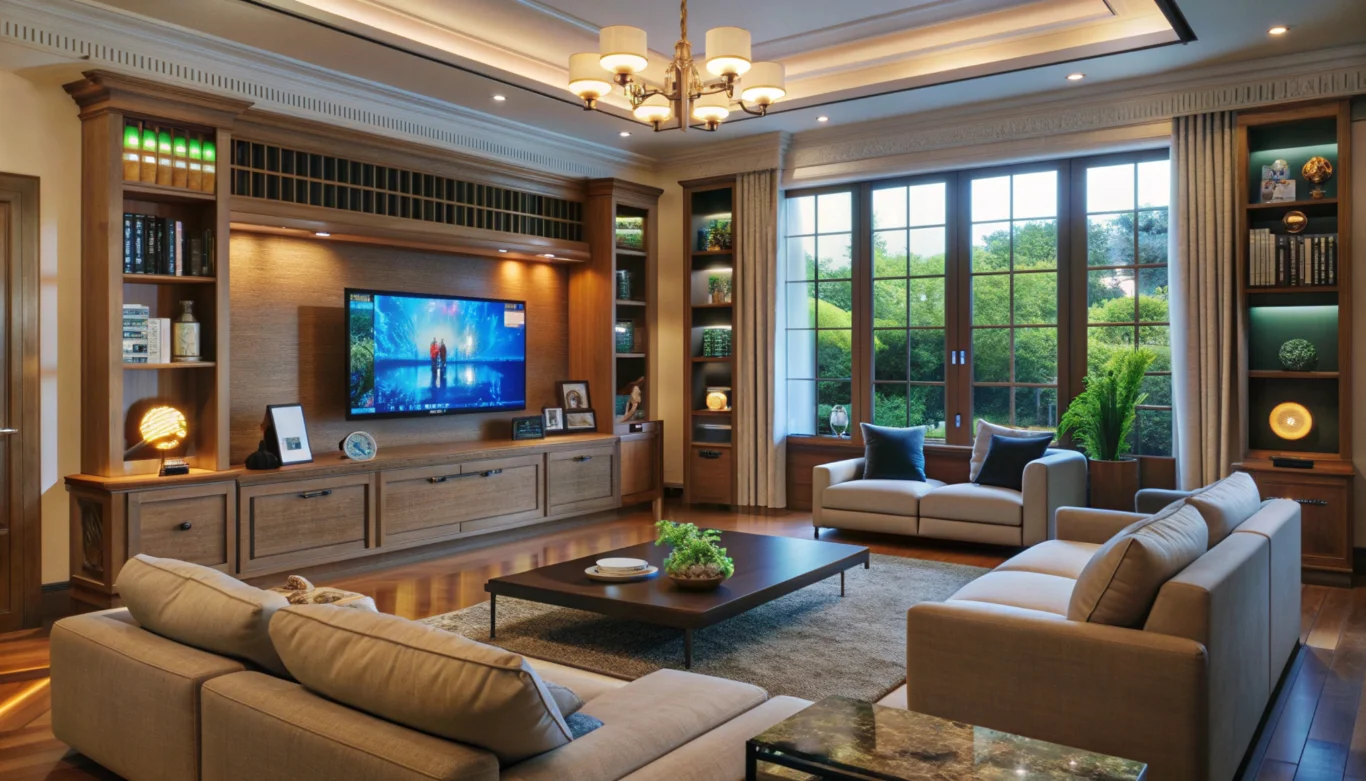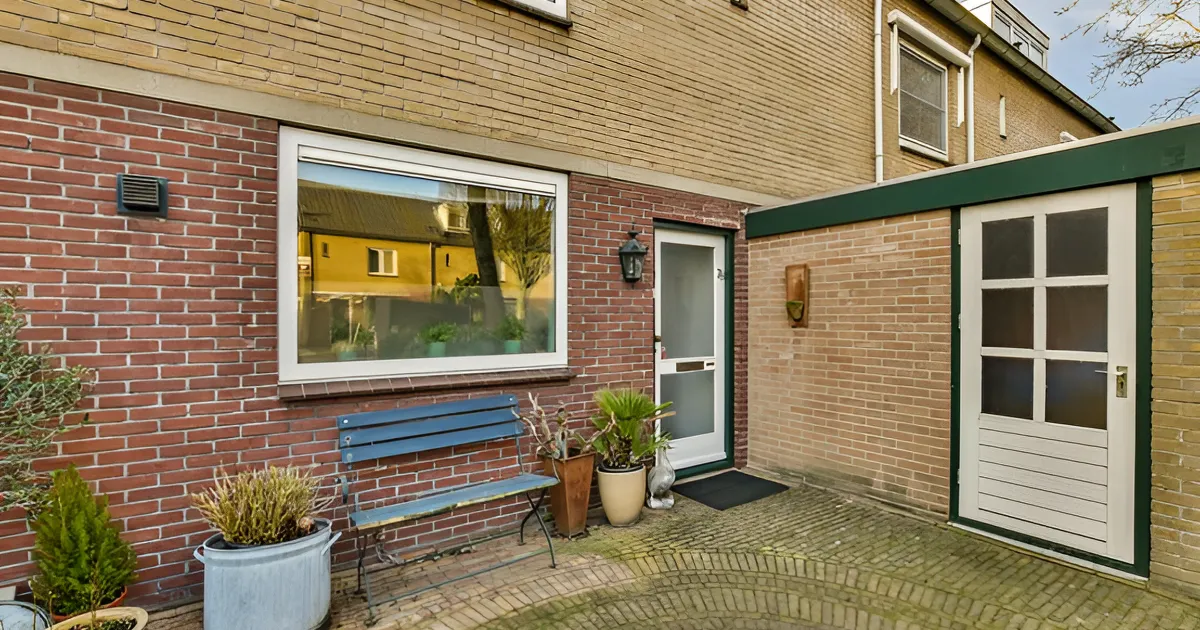

House renovation advice miprenovate focuses on helping homeowners plan, budget, and complete renovation projects with confidence while avoiding common mistakes. Whether you are updating a single room or transforming your entire home, the right renovation strategy can improve comfort, functionality, and property value. Careful planning, realistic budgeting, and choosing quality materials are the foundation of every successful renovation. This guide explains each stage of the renovation process, offering practical insights and expert recommendations to help you make informed decisions from start to finish.
Why House Renovation Matters More Than Ever
Renovating a house is no longer only about improving appearance. Modern homeowners renovate to increase energy efficiency, create functional living spaces, and enhance long-term property value. As lifestyles evolve, homes must adapt to changing family needs, remote work requirements, and sustainable living practices. A well-planned renovation ensures that every improvement serves a practical purpose while maintaining the home’s overall appeal.
Following reliable house renovation advice miprenovate can prevent expensive mistakes and reduce unnecessary stress throughout the renovation journey. Instead of making rushed decisions, homeowners benefit from creating a structured plan that covers timelines, budgets, design goals, and contractor selection. This organized approach leads to smoother project execution and better overall results.
Planning Your Home Renovation Project
Every successful renovation begins with a clear plan. Before hiring professionals or purchasing materials, define exactly what you want to achieve with the renovation. Setting realistic expectations allows you to prioritize improvements while staying within your financial limits. A detailed renovation plan also makes communication easier between homeowners, contractors, and designers.
Creating a renovation roadmap helps identify potential challenges before work begins. It also provides flexibility if unexpected expenses or delays occur during construction. Proper planning reduces uncertainty and keeps the project focused on achieving the desired outcome.
Define Your Renovation Goals
Start by identifying why you want to renovate your home. Some homeowners prioritize increasing resale value, while others focus on improving comfort or modernizing outdated spaces. Understanding your primary objective influences every decision throughout the project. It also helps determine where your budget should be allocated for the greatest return.
Write down the rooms that require improvement and list the specific changes you want to make. Ranking these priorities prevents unnecessary spending on features that add little value. Clear renovation goals create a strong foundation for every stage of the project.
Assess the Current Condition of Your Home
Before making design decisions, carefully inspect your home’s existing condition. Structural issues, plumbing problems, outdated electrical systems, or roof damage should always receive attention before cosmetic upgrades. Ignoring hidden problems often results in higher repair costs later.
Professional inspections provide valuable information about areas requiring immediate attention. Investing in necessary repairs first protects your renovation investment and ensures long-term safety. Addressing these concerns early also prevents interruptions once renovation work begins.
Creating a Practical Renovation Budget
Budgeting is one of the most important parts of any renovation project. A realistic financial plan allows homeowners to balance their renovation goals with available resources. It also helps avoid unnecessary debt or unfinished projects caused by unexpected expenses. Successful renovations always include a financial buffer for unforeseen costs.
Many renovation professionals recommend reserving ten to twenty percent of the total budget for emergencies. Unexpected structural repairs, material shortages, or design modifications can increase expenses during construction. Planning for these situations minimizes financial stress and keeps the project moving forward.
Budget Allocation Example
| Renovation Category | Suggested Budget Percentage |
| Structural Repairs | 20% |
| Kitchen Renovation | 20% |
| Bathroom Renovation | 15% |
| Flooring | 10% |
| Painting & Finishing | 10% |
| Electrical & Plumbing | 10% |
| Furniture & Décor | 10% |
| Emergency Fund | 5% |
The exact percentages vary depending on the home’s condition and renovation priorities. However, using a structured budget helps prevent overspending in one area while neglecting another. Financial discipline throughout the renovation process leads to better long-term satisfaction.
Choosing the Right Renovation Priorities
Not every renovation project delivers the same value. Some improvements significantly increase comfort and resale potential, while others mainly enhance visual appeal. Prioritizing renovations ensures that your investment produces meaningful results. It also allows homeowners to complete essential upgrades before focusing on decorative features.
House renovation advice miprenovate often emphasizes balancing functional improvements with aesthetic upgrades. Renovating in the correct order reduces duplicate work and avoids unnecessary expenses. Strategic planning ultimately saves both time and money throughout the renovation journey.
Focus on High-Impact Areas
Kitchens and bathrooms consistently provide some of the highest returns on renovation investment. These spaces influence everyday living while also attracting future buyers if the property is eventually sold. Modern layouts, energy-efficient appliances, and durable materials improve both usability and appearance.
Living rooms and bedrooms also deserve attention because they directly affect comfort and daily routines. Updating lighting, flooring, and storage solutions can transform these areas without requiring complete reconstruction. Small improvements often produce impressive visual results when planned carefully.
Improve Structural Integrity First
A beautiful interior cannot compensate for structural problems hidden behind walls or beneath floors. Roof repairs, foundation maintenance, plumbing upgrades, and electrical improvements should always come before cosmetic enhancements. Safe and reliable infrastructure forms the backbone of every successful renovation.
Completing structural work first also protects newly installed finishes from future damage. Homeowners avoid repeating expensive decorative work after hidden issues are discovered. This approach keeps renovation costs under control while ensuring lasting quality.
Selecting the Right Contractor for Your Renovation
Finding a reliable contractor is one of the most important decisions in any renovation project. Even the best renovation plan can fail if the work is completed without proper expertise or communication. Experienced professionals understand building standards, manage timelines effectively, and solve unexpected issues with minimal disruption. Following trusted house renovation advice miprenovate begins with choosing contractors who value quality, transparency, and customer satisfaction.
Take time to research several contractors before making your final decision. Compare portfolios, verify licenses where applicable, read customer reviews, and request detailed quotations instead of accepting verbal estimates. A written agreement outlining project scope, payment schedules, materials, and deadlines helps prevent misunderstandings. Good communication from the beginning creates a productive working relationship throughout the renovation.
Questions to Ask Before Hiring
Before signing any contract, ask detailed questions about the contractor’s experience with projects similar to yours. Discuss expected completion dates, subcontractor involvement, warranty policies, and how unexpected changes will be handled. These conversations reveal how organized and responsive the contractor is before work even begins.
Do not hesitate to request references from previous clients. Speaking with homeowners who have completed similar renovations provides valuable insights into workmanship, professionalism, and reliability. A contractor with a strong reputation is more likely to deliver consistent results and maintain clear communication.
Warning Signs to Avoid
Some contractors offer unusually low prices that seem too good to be true. While saving money is important, extremely low estimates often indicate poor-quality materials, hidden costs, or lack of experience. Choosing based solely on price may lead to expensive corrections later.
Avoid contractors who refuse written agreements or demand full payment before work begins. Reliable professionals provide transparent documentation and reasonable payment schedules tied to project milestones. Trustworthy business practices protect both the homeowner and the contractor throughout the renovation.
Understanding the Latest Home Renovation Trends
Modern renovation trends focus on creating homes that are comfortable, energy-efficient, and adaptable for future needs. Instead of following short-lived design fads, homeowners increasingly invest in improvements that offer lasting value. Practical layouts, sustainable materials, and timeless finishes remain popular choices because they continue to perform well for many years.
Keeping up with current renovation ideas helps homeowners make informed design decisions without sacrificing functionality. Incorporating modern features thoughtfully ensures that the home remains attractive while meeting changing lifestyle requirements. Well-balanced renovations combine aesthetics with everyday practicality.
Open and Flexible Living Spaces
Many homeowners prefer open floor plans that connect kitchens, dining areas, and living rooms into one functional space. Removing unnecessary walls increases natural light and improves interaction among family members. Open layouts also make smaller homes appear more spacious and welcoming.
Flexible living areas continue gaining popularity because they can serve multiple purposes throughout the day. A dining room may function as a workspace, while a guest room can also become a home office. Designing adaptable spaces provides greater long-term value as family needs change.
Natural Materials and Neutral Colors
Wood, stone, and other natural materials continue to dominate residential renovation projects. These materials create warmth while maintaining durability and timeless appeal. Their versatility allows homeowners to combine modern and traditional design elements without creating visual imbalance.
Neutral color palettes remain popular because they create bright, calming interiors that complement different furniture styles. Shades of white, beige, gray, and soft earth tones provide flexibility for future decorating changes. This approach also appeals to potential buyers if the property is eventually sold.
Making Your Home More Energy Efficient
Energy-efficient renovations reduce monthly utility costs while improving indoor comfort throughout the year. Better insulation, efficient windows, and upgraded heating or cooling systems contribute to long-term savings. These improvements also support environmental sustainability by reducing overall energy consumption.
House renovation advice miprenovate encourages homeowners to evaluate efficiency improvements before focusing entirely on decorative upgrades. Investing in energy-saving features often provides financial benefits that continue long after the renovation is complete. Many efficiency improvements also increase the overall market value of the property.
Improve Insulation and Windows
Proper insulation helps maintain comfortable indoor temperatures regardless of seasonal weather conditions. Upgrading attic insulation, wall insulation, and weather sealing reduces unnecessary energy loss. Better insulation also decreases the workload placed on heating and cooling systems.
Modern energy-efficient windows improve temperature control while reducing outside noise. Double or triple glazing provides better insulation than older single-pane windows. Replacing outdated windows can significantly improve both comfort and energy performance.
Upgrade Lighting and Appliances
Replacing traditional bulbs with LED lighting reduces electricity consumption while extending bulb lifespan. LED fixtures are available in various brightness levels and color temperatures, making them suitable for every room. Improved lighting also enhances interior appearance without increasing energy costs.
Energy-efficient appliances consume less electricity and water compared to older models. Refrigerators, washing machines, dishwashers, and HVAC systems designed for efficiency lower operating expenses over time. These upgrades provide practical benefits that homeowners experience every day.
Renovating Your Kitchen Successfully
The kitchen is often considered the heart of the home because it supports daily cooking, dining, and family interaction. A functional kitchen renovation improves workflow while increasing storage and enhancing visual appeal. Careful planning ensures that every improvement contributes to convenience as well as long-term value.
Rather than focusing only on appearance, homeowners should prioritize functionality during kitchen renovations. Durable countertops, efficient layouts, and quality cabinetry create a space that performs well for many years. Combining attractive finishes with practical design produces the best overall results.
Choose a Functional Layout
Kitchen layouts should support smooth movement between cooking, cleaning, and food preparation areas. Designers often recommend maintaining an efficient work triangle connecting the sink, refrigerator, and stove. This arrangement minimizes unnecessary walking while improving productivity.
Storage planning is equally important during kitchen renovation. Deep drawers, pull-out shelves, and organized pantry systems maximize available space without making the room feel crowded. Well-designed storage solutions help maintain a clean and organized kitchen.
Invest in Durable Materials
Kitchen surfaces experience heavy daily use, making material selection especially important. Quartz countertops, quality cabinetry, and moisture-resistant flooring provide durability while maintaining attractive appearances. Choosing long-lasting materials reduces future maintenance and replacement costs.
Backsplashes, cabinet hardware, and flooring should complement the overall kitchen design without overwhelming the space. Timeless finishes generally remain attractive longer than rapidly changing design trends. Investing in quality materials ensures lasting performance and greater homeowner satisfaction.
Transforming Your Bathroom Into a Comfortable Space
Bathrooms should provide comfort, convenience, and efficient use of available space. Renovating a bathroom improves daily routines while increasing the home’s overall appeal. Modern fixtures, better lighting, and thoughtful storage create a relaxing environment suitable for every member of the household.
Effective bathroom renovations balance appearance with durability because these spaces regularly experience moisture and heavy use. Selecting water-resistant materials and high-quality fixtures helps prevent maintenance issues in the future. Careful planning also improves accessibility and ease of cleaning.
Upgrade Fixtures and Storage
Replacing outdated sinks, faucets, showers, and toilets immediately improves both functionality and water efficiency. Modern fixtures offer improved performance while reducing water consumption through efficient engineering. These upgrades contribute to lower utility bills over time.
Storage solutions play an essential role in maintaining an organized bathroom. Built-in shelves, vanity cabinets, and recessed wall niches provide convenient places for toiletries without reducing usable floor space. Organized storage enhances both appearance and practicality.
Improve Ventilation and Lighting
Proper ventilation prevents excessive moisture that can lead to mold growth and material damage. Installing a high-quality exhaust fan helps maintain healthy indoor air while protecting walls, ceilings, and fixtures. Good ventilation extends the lifespan of bathroom finishes.
Lighting should combine task illumination with ambient comfort. Bright lighting around mirrors supports grooming activities, while softer ceiling lighting creates a relaxing atmosphere. Layered lighting improves functionality without compromising visual appeal.
Frequently Asked Questions
1. What does house renovation advice miprenovate mean?
House renovation advice miprenovate refers to practical guidance for planning, budgeting, designing, and completing home renovation projects efficiently while avoiding common mistakes and unnecessary expenses.
2. How do I start planning a house renovation?
Begin by identifying your renovation goals, setting a realistic budget, inspecting your home’s condition, and creating a detailed renovation plan before hiring professionals.
3. What is the most important part of a home renovation?
Proper planning is the most important part because it helps control costs, prevents delays, and ensures every renovation decision supports your long-term objectives.
4. How much budget should I keep for unexpected renovation costs?
Experts generally recommend setting aside around 10% to 20% of your total renovation budget to cover unforeseen repairs, material price increases, or project changes.
5. Which rooms add the most value during renovation?
Kitchen and bathroom renovations usually provide the highest return on investment because they improve daily functionality while increasing the property’s overall market appeal.
6. How can I make my home renovation more energy efficient?
Install better insulation, upgrade to energy-efficient windows, use LED lighting, and choose modern appliances that reduce electricity and water consumption over time.
7. How do I choose the right contractor for my renovation project?
Compare multiple contractors, verify experience and references, request written estimates, review previous work, and always sign a detailed contract before construction begins.