Chinese evergreen plants are popular houseplants known for their attractive foliage, adaptability, and low maintenance requirements. Many plant enthusiasts search for chinese evergreen care because these plants thrive indoors and add vibrant color to homes and offices. With proper attention to watering, lighting, soil, and temperature, these plants can grow beautifully for many years. This guide provides well-researched and practical information to help beginners and experienced gardeners maintain healthy chinese evergreen plants.
Understanding Chinese Evergreen Plants
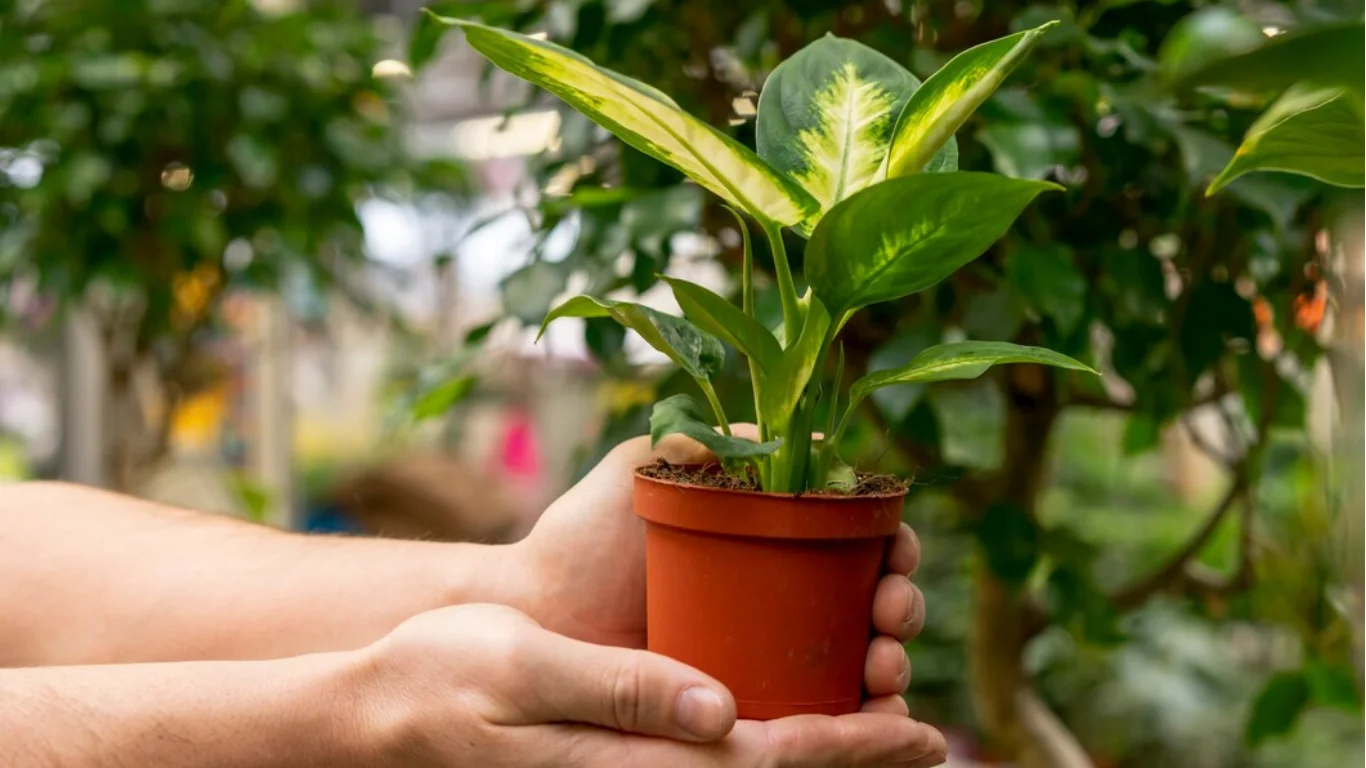
Chinese evergreen plants belong to the Aglaonema family and are native to tropical regions of Asia. They are admired for their patterned leaves that come in shades of green, silver, red, and pink. These plants are known for their ability to tolerate low light and indoor conditions.
Learning about plant characteristics is essential for proper chinese evergreen care. These plants grow slowly and require minimal pruning. Their adaptability makes them ideal for homes, offices, and shaded spaces.
Ideal Lighting Conditions
Chinese evergreen plants thrive best in indirect light conditions. Bright, filtered light enhances leaf color, while low light allows steady growth. Direct sunlight can scorch the leaves and cause discoloration.
Providing the right lighting supports healthy chinese evergreen care. Placing the plant near a window with sheer curtains works well. Artificial lighting can also support growth when natural light is limited.
Watering Requirements
Proper watering is crucial for maintaining plant health. Chinese evergreen plants prefer slightly moist soil but should not be overwatered. Allowing the top inch of soil to dry between watering prevents root rot.
Understanding watering habits improves chinese evergreen care routines. Overwatering is a common mistake that can damage roots. Balanced watering encourages healthy leaf growth.
Best Soil for Chinese Evergreen Plants
Well-draining soil is essential for these plants. A potting mix that includes peat moss, perlite, and compost supports root health. Good drainage prevents water retention.
Choosing the right soil enhances chinese evergreen care success. Containers with drainage holes are recommended. Proper soil structure ensures long-term plant health.
Temperature and Humidity Needs
Chinese evergreen plants prefer temperatures between 65 and 80 degrees Fahrenheit. They are sensitive to cold drafts and sudden temperature changes. Maintaining consistent indoor conditions supports growth.
Humidity also plays a role in chinese evergreen care. Moderate humidity levels are ideal for maintaining vibrant foliage. Occasional misting can help in dry environments.
Fertilizing Guidelines
Fertilizing helps promote healthy foliage growth. A balanced liquid fertilizer applied once a month during the growing season is sufficient. Over-fertilizing can harm the plant.
Following proper fertilization improves chinese evergreen care results. Reduced feeding during winter supports natural growth cycles. Nutrient balance maintains leaf color and health.
Pruning and Maintenance
Pruning helps remove yellow or damaged leaves and encourages new growth. Using clean tools prevents infections. Regular maintenance improves plant appearance.
Routine care supports long-term chinese evergreen care success. Cleaning leaves removes dust and improves photosynthesis. Healthy plants require minimal trimming.
Repotting Chinese Evergreen Plants
Repotting is needed when the plant outgrows its container. Spring is the best time for repotting because growth is active. Choosing a slightly larger pot supports root expansion.
Repotting is an important part of chinese evergreen care. Fresh soil replenishes nutrients. Proper repotting ensures continued plant health.
Common Problems and Solutions
Chinese evergreen plants may face issues like yellowing leaves or pest infestations. Overwatering is the most common cause of problems. Adjusting care routines often resolves these issues.
Understanding common challenges improves chinese evergreen care outcomes. Regular inspections help detect pests early. Healthy plants resist problems more effectively.
Benefits of Growing Chinese Evergreen Plants
These plants are known for their air-purifying qualities. They help remove toxins and improve indoor air quality. Their beauty enhances home décor.
Growing these plants supports overall well-being. Chinese evergreen care is simple and rewarding. Their adaptability makes them ideal for indoor environments.
Conclusion
Chinese evergreen care is straightforward when proper lighting, watering, soil, and temperature conditions are maintained. These plants offer long-lasting beauty and require minimal maintenance. By following the guidelines outlined in this guide, anyone can grow healthy and vibrant chinese evergreen plants.
Consistent care ensures these plants remain attractive and resilient. Their adaptability makes them suitable for various indoor settings. With patience and attention, they thrive for many years.
FAQs
How often should I water chinese evergreen plants?
Water when the top inch of soil feels dry to avoid overwatering.
Can chinese evergreen plants grow in low light?
Yes, they adapt well to low-light environments but grow best in indirect light.
Do chinese evergreen plants require high humidity?
They prefer moderate humidity but can tolerate average indoor conditions.
When should I repot chinese evergreen plants?
Repot during spring when roots outgrow the current container.
Are chinese evergreen plants safe for pets?
No, they can be toxic if ingested by pets or children.