
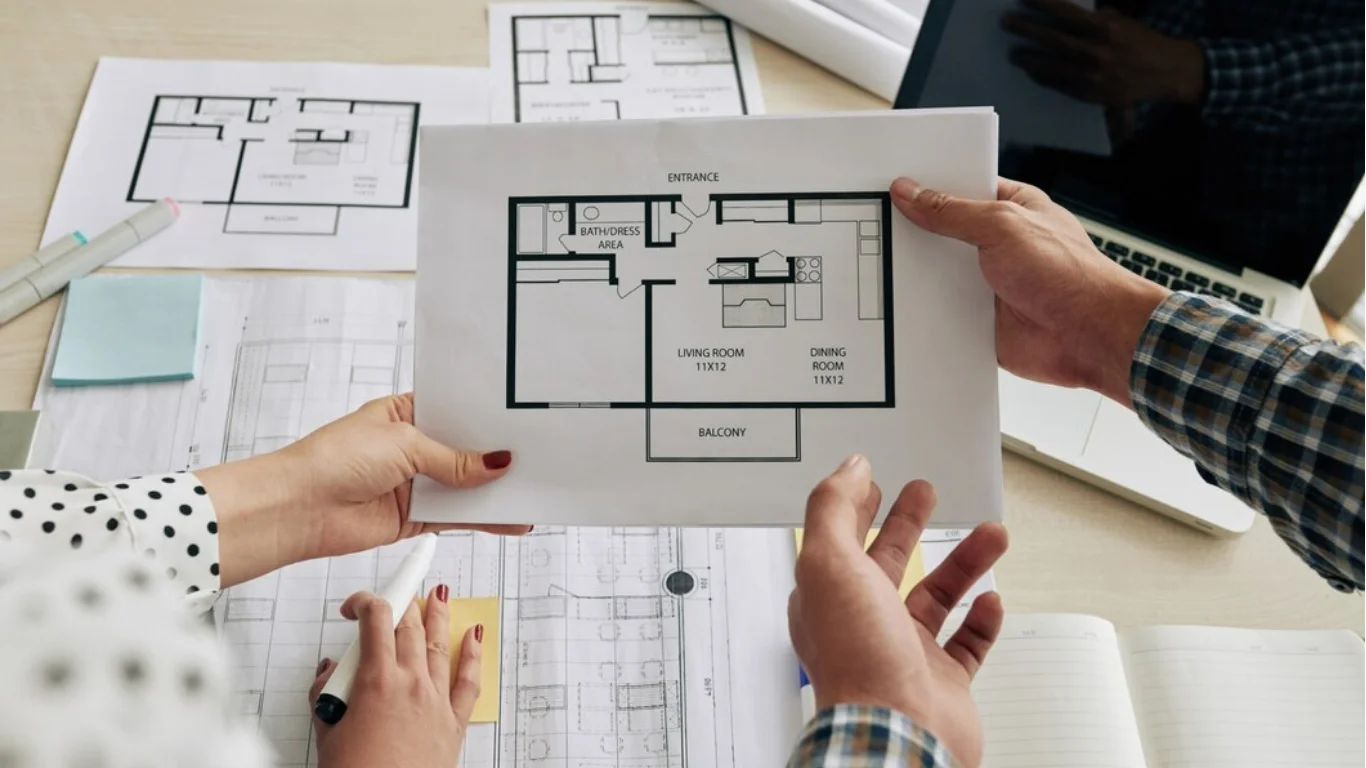
A home inspection is one of the most important steps in any real estate transaction because it reveals the true condition of a property. Using a detailed home inspection checklist helps buyers avoid costly surprises and allows sellers to address issues before listing. Inspections cover structural, electrical, plumbing, and safety aspects of a home to ensure everything functions properly. This guide provides a well-researched and practical checklist to help you understand what inspectors look for and how to prepare effectively.
Exterior Inspection Essentials
The exterior of a home provides early warning signs of structural or drainage issues. Inspectors examine the roof, siding, gutters, and foundation for visible damage or wear. Cracks, missing shingles, or poor drainage can indicate larger problems.
A thorough home inspection checklist always starts outside because exterior issues can affect the entire structure. Proper grading around the home prevents water damage. Well-maintained exteriors protect long-term property value.
Roof and Attic Inspection
The roof and attic play a major role in protecting the home from weather damage. Inspectors check for loose shingles, leaks, ventilation issues, and signs of water intrusion. The attic is also examined for insulation quality and moisture problems.
Including roof and attic checks in a home inspection checklist helps identify potential energy loss and future repair costs. Poor ventilation can lead to mold growth. Early detection saves money and prevents damage.
Foundation and Structural Components
The foundation supports the entire home, making it a critical inspection area. Inspectors look for cracks, uneven floors, and signs of shifting or settling. Structural beams and supports are also evaluated.
A proper home inspection checklist includes checking doors and windows for alignment issues. Structural problems can affect safety and resale value. Identifying these issues early is essential.
Plumbing System Inspection
Plumbing inspections focus on pipes, water pressure, fixtures, and drainage systems. Inspectors look for leaks, corrosion, and outdated materials. Water heaters are also evaluated for age and performance.
Plumbing is a core part of any home inspection checklist because hidden leaks can cause significant damage. Proper water flow ensures daily comfort. Early detection prevents costly repairs.
Electrical System Inspection
The electrical system is inspected for safety and code compliance. Inspectors check outlets, wiring, circuit breakers, and grounding. Outdated or faulty wiring poses fire risks.
A complete home inspection checklist includes testing switches and lighting fixtures. Proper electrical systems support safe living. Electrical issues often require professional repair.
Heating and Cooling Systems
Heating and cooling systems are evaluated for efficiency and functionality. Inspectors examine furnaces, air conditioners, and ductwork. Proper airflow and temperature control are essential for comfort.
Including HVAC checks in a home inspection checklist helps assess energy efficiency. Poorly maintained systems increase utility costs. Functional systems improve home livability.
Interior Walls, Ceilings, and Floors
Interior surfaces reveal signs of structural movement or water damage. Inspectors look for cracks, stains, and uneven flooring. Ceilings are checked for leaks or sagging.
A detailed home inspection checklist includes interior condition assessment. Cosmetic issues may indicate deeper problems. Proper evaluation ensures accurate property condition understanding.
Windows and Doors Inspection
Windows and doors affect energy efficiency and security. Inspectors check seals, locks, and operation. Drafts or damaged frames reduce insulation effectiveness.
Including windows and doors in a home inspection checklist helps identify heat loss. Proper sealing improves comfort. Functional access points enhance safety.
Kitchen and Bathroom Inspection
Kitchens and bathrooms are high-use areas with plumbing and electrical components. Inspectors examine appliances, sinks, faucets, and ventilation. Mold and moisture issues are common concerns.
A reliable home inspection checklist covers these areas thoroughly. Functional fixtures ensure daily convenience. Clean ventilation prevents moisture damage.
Safety and Compliance Checks
Safety inspections include smoke detectors, carbon monoxide alarms, and stair railings. Inspectors also check for trip hazards and emergency exits. Compliance with safety standards is essential.
Adding safety checks to a home inspection checklist protects occupants. Proper safety measures reduce accident risks. Compliance improves peace of mind.
Reviewing the Inspection Report
After inspection, a detailed report outlines findings and recommendations. Buyers use reports to negotiate repairs or pricing. Sellers use them to address issues proactively.
Understanding the home inspection checklist results helps make informed decisions. Clear reports guide next steps. Transparency benefits all parties.
Conclusion
A comprehensive home inspection checklist is essential for understanding a property’s true condition. From exterior and structural elements to plumbing, electrical, and safety systems, each area plays a vital role in home performance. Careful inspections prevent unexpected expenses and support confident decisions.
By using a detailed checklist, buyers, sellers, and homeowners can protect their investments and ensure long-term comfort. Proper inspections promote transparency, safety, and property value.
FAQs
What is included in a home inspection checklist?
It includes exterior, roof, foundation, plumbing, electrical, HVAC, interior, and safety checks.
Why is a home inspection important before buying?
It reveals hidden issues and helps buyers avoid costly repairs.
Can sellers benefit from a home inspection checklist?
Yes, sellers can fix problems early and improve buyer confidence.
How long does a home inspection usually take?
Most inspections take two to four hours depending on property size.
Does a home inspection guarantee no future problems?
No, but it significantly reduces the risk of unexpected issues.