Learning how to care for rubber plants properly ensures lush foliage, steady growth, and long-lasting indoor beauty. Rubber plants are popular houseplants known for their glossy leaves and low-maintenance nature. However, providing the right balance of light, water, soil, and nutrients is essential for optimal health. This comprehensive guide explains everything you need to know about how to care for rubber plants successfully at home.
Understanding Rubber Plant Basics
Before mastering how to care for rubber plants, it is important to understand their natural characteristics. Rubber plants thrive in warm environments and are native to tropical regions. They can grow tall indoors when given proper space and care. Their thick, shiny leaves make them attractive decorative additions.
Knowing their growth pattern helps maintain healthy development. Rubber plants prefer stable conditions and dislike sudden temperature changes. Consistent care supports strong roots and vibrant leaves. Understanding these basics makes it easier to apply proper maintenance techniques.
Light Requirements
Proper lighting is essential when learning how to care for rubber plants. These plants prefer bright, indirect sunlight for optimal growth. Direct harsh sunlight can scorch their leaves, while low light may slow growth. Placing them near a well-lit window with filtered light works best.
If natural light is limited, artificial grow lights can help maintain healthy foliage. Rotating the plant occasionally ensures even growth. Balanced lighting keeps leaves glossy and vibrant. Correct light exposure is a key factor in successful plant care.
Watering Guidelines
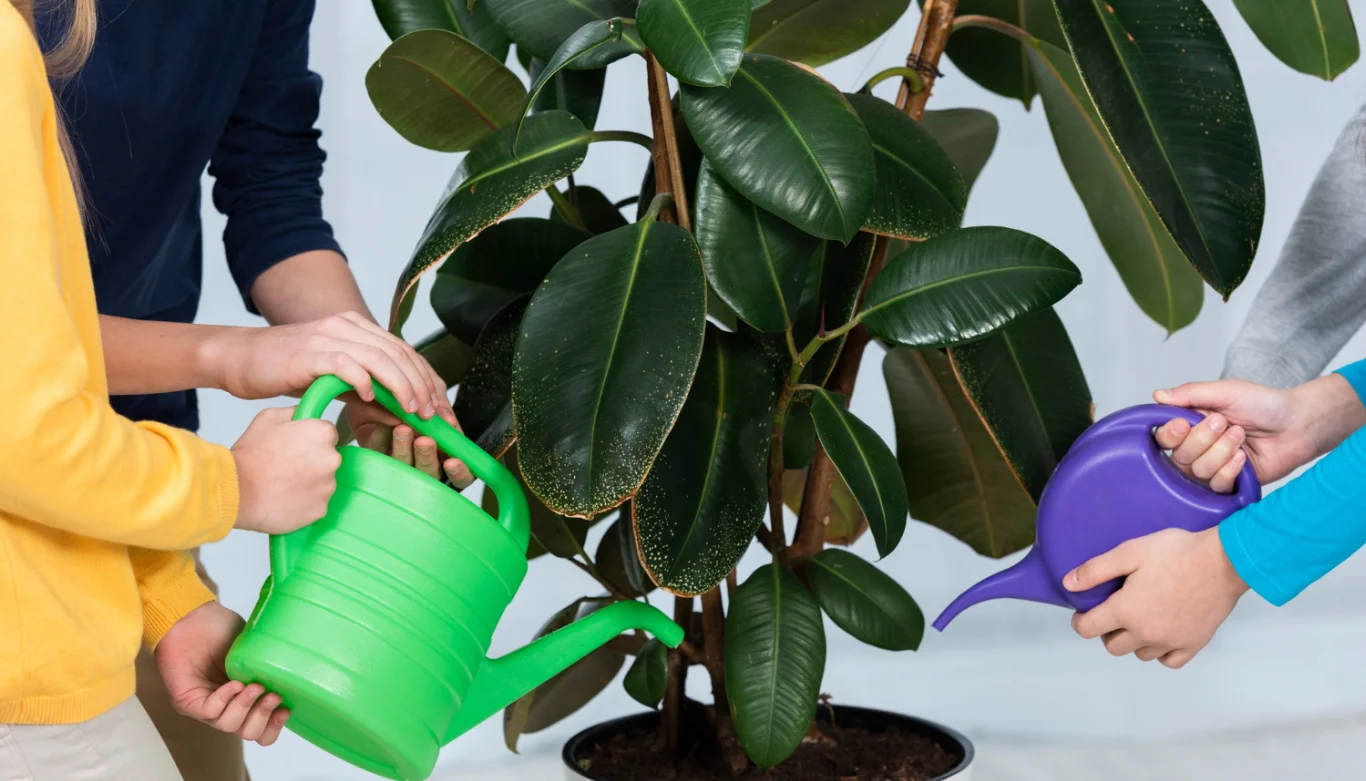
Watering correctly is a crucial part of how to care for rubber plants. Allow the top layer of soil to dry slightly between watering sessions. Overwatering can lead to root rot, which damages the plant severely. Consistent but moderate watering promotes strong root health.
During warmer months, rubber plants may require more frequent watering. In cooler seasons, reduce watering to prevent excess moisture. Always ensure the pot has proper drainage holes. Proper watering habits significantly improve plant longevity.
Soil and Potting Needs
Choosing the right soil mixture is vital when understanding how to care for rubber plants. Well-draining potting soil with good aeration supports root health. A mix designed for indoor plants works effectively. Avoid heavy soils that retain too much moisture.
Repotting every one to two years encourages steady growth. Select a pot slightly larger than the current one to allow expansion. Fresh soil replenishes nutrients and improves drainage. Proper potting ensures stability and nourishment.
Temperature and Humidity
Maintaining suitable temperature conditions is essential in how to care for rubber plants. They thrive in temperatures between 60°F and 80°F. Avoid placing them near cold drafts or heating vents. Stable indoor temperatures promote consistent growth.
Moderate humidity levels are also beneficial. If indoor air is dry, occasional misting can help maintain leaf health. Using a humidifier may improve conditions during winter months. Proper environmental balance enhances plant vitality.
Fertilizing and Maintenance
Fertilizing is an important step in how to care for rubber plants during active growth periods. Apply a balanced liquid fertilizer every four to six weeks in spring and summer. Avoid over-fertilizing, as excess nutrients can damage roots. Regular feeding supports vibrant leaf production.
Pruning also helps maintain shape and size. Remove damaged or yellowing leaves promptly. Wiping leaves with a damp cloth removes dust and improves photosynthesis. Routine maintenance keeps the plant healthy and attractive.
Common Problems and Solutions
Understanding common issues is essential when learning how to care for rubber plants effectively. Yellowing leaves often indicate overwatering or poor drainage. Adjust watering frequency and check soil moisture levels. Quick action prevents further damage.
Leaf drop may occur due to sudden environmental changes. Ensure stable light and temperature conditions. Pests such as spider mites can be treated with mild insecticidal soap. Monitoring plant health regularly ensures timely solutions.
Conclusion
Knowing how to care for rubber plants properly allows them to thrive indoors for many years. By providing adequate light, balanced watering, proper soil, and suitable temperature conditions, you can maintain strong and glossy foliage. Regular fertilizing and maintenance further enhance growth and resilience. With consistent attention and care, rubber plants become beautiful and long-lasting additions to any indoor space.
FAQs
How often should I water a rubber plant?
Water when the top layer of soil feels dry. Frequency depends on temperature and humidity. Avoid overwatering to prevent root rot.
Can rubber plants grow in low light?
Rubber plants can tolerate moderate light but prefer bright indirect light. Low light may slow growth. Providing adequate lighting improves overall health.
Why are the leaves of my rubber plant turning yellow?
Yellow leaves often result from overwatering or poor drainage. Check soil moisture and adjust watering habits. Ensure proper pot drainage.
Do rubber plants need fertilizer?
Yes, rubber plants benefit from balanced fertilizer during the growing season. Feed every four to six weeks in spring and summer. Proper fertilizing supports healthy growth.