Learning how to clean a stove properly is essential for maintaining a hygienic and efficient kitchen. Over time, grease, food spills, and burnt residue accumulate on the surface and burners. Regular cleaning not only improves appearance but also enhances cooking performance and safety. This comprehensive guide explains how to clean a stove effectively using simple methods and household supplies.
Why It Is Important to Clean a Stove Regularly
Understanding how to clean a stove helps prevent grease buildup that can cause unpleasant odors and smoke. Accumulated residue may also become a fire hazard if left unattended. A clean stove ensures even heat distribution and better cooking results. Routine maintenance keeps your kitchen environment safe and sanitary.
Ignoring regular cleaning can lead to stubborn stains and long-term damage. Burnt food particles may harden, making removal more difficult. Consistent upkeep reduces the need for harsh chemicals. Keeping the stove clean also extends its lifespan.
How to Clean a Stove Top Surface
The first step in how to clean a stove is addressing the surface area. Ensure the stove is turned off and completely cool before starting. Wipe loose crumbs and debris with a dry cloth. This prevents scratching while cleaning.
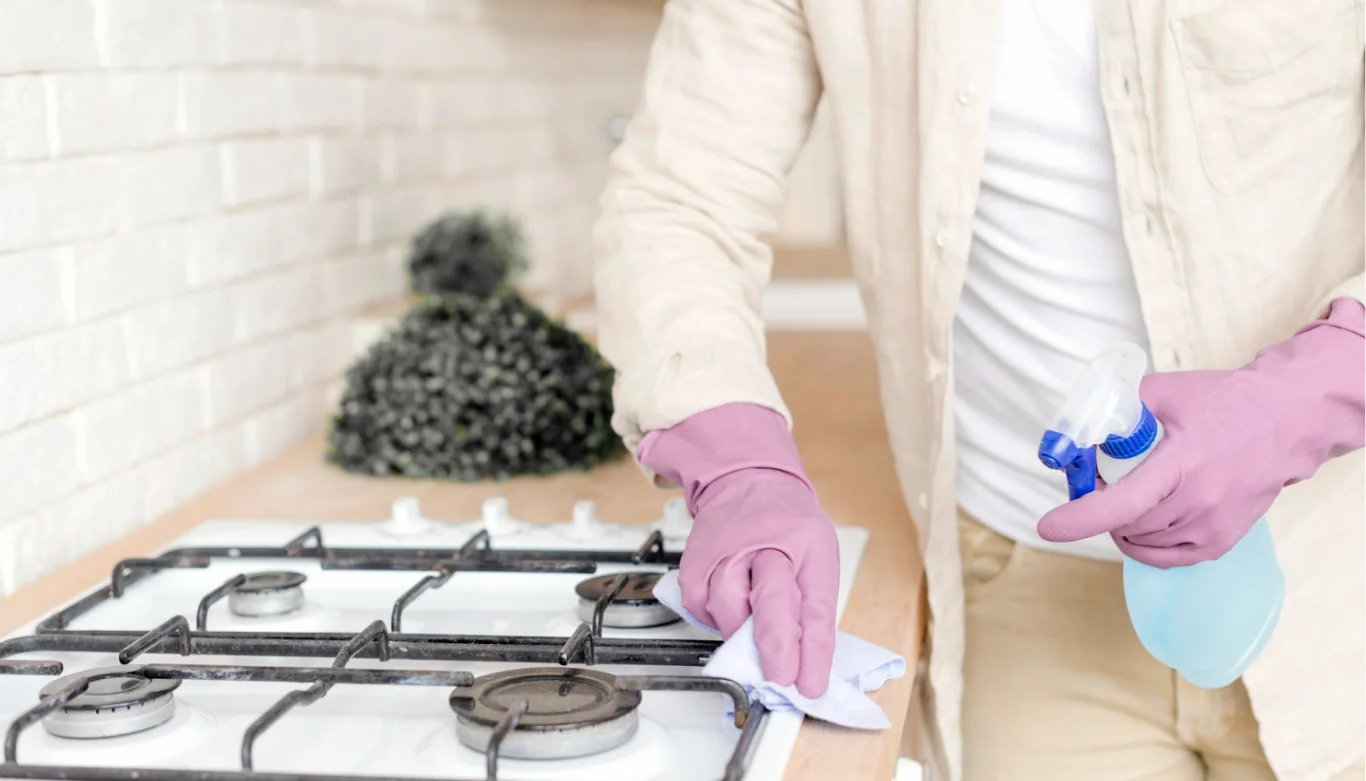
Use a mixture of warm water and mild dish soap to remove grease and stains. Apply the solution with a soft sponge and gently scrub in circular motions. For tough spots, a baking soda paste can help loosen residue. Finish by wiping with a damp cloth and drying thoroughly.
How to Clean a Gas Stove
When learning how to clean a stove with gas burners, remove the grates and burner caps carefully. Soak them in warm soapy water to loosen grease and food particles. Use a soft brush to scrub away buildup. Rinse and dry completely before reinstalling.
Clean around the burner openings with a damp cloth. Avoid letting water enter the gas ports. A toothpick can gently clear clogged holes if needed. Proper cleaning ensures safe and efficient gas flow.
How to Clean an Electric Stove
If you want to know how to clean a stove with electric coils, first disconnect power for safety. Remove coil burners if possible and wipe beneath them. Clean drip pans separately using warm soapy water. This helps eliminate hidden grease.
For smooth glass-top electric stoves, use a cleaner designed specifically for glass surfaces. Avoid abrasive pads that may scratch the finish. Gently scrape burnt residue with a safe scraper tool if necessary. Regular care keeps the surface shiny and damage-free.
Removing Tough Stains and Burnt Residue
A key part of understanding how to clean a stove involves dealing with stubborn stains. Baking soda and vinegar are effective natural cleaning agents. Apply baking soda to the stain and spray vinegar on top to create a foaming reaction. Let it sit before wiping clean.
For heavily burnt areas, allow the cleaning solution to soak for several minutes. Use a non-abrasive scrubber to lift residue gently. Avoid metal scrapers that may scratch surfaces. Patience and gentle methods protect the stove’s finish.
Cleaning Stove Knobs and Control Panels
Another important step in how to clean a stove is cleaning knobs and control panels. Remove knobs if possible and wash them with warm soapy water. Dry them thoroughly before reattaching. This prevents moisture damage.
Wipe the control panel with a soft damp cloth. Avoid spraying cleaning solutions directly onto electrical components. Gentle cleaning maintains functionality and appearance. Regular care keeps the entire appliance looking new.
Preventive Maintenance Tips
Knowing how to clean a stove regularly reduces deep-cleaning efforts. Wipe spills immediately after cooking to prevent hardening. Use splatter guards to minimize grease spread. These habits make maintenance easier.
Schedule a weekly light cleaning to maintain cleanliness. Deep cleaning can be done monthly depending on usage. Proper maintenance extends the life of the appliance. Consistency ensures long-term performance.
Conclusion
Understanding how to clean a stove properly helps maintain hygiene, safety, and cooking efficiency. By following simple steps for different stove types, you can remove grease and burnt residue effectively. Regular maintenance prevents buildup and extends appliance lifespan. With consistent care, your stove will remain clean, functional, and visually appealing.
FAQs
How often should I clean my stove?
Light cleaning should be done weekly, while deep cleaning can be performed monthly. Frequency depends on usage. Regular cleaning prevents stubborn buildup.
Can I use baking soda to clean a stove?
Yes, baking soda is effective for removing grease and burnt stains. It is safe and non-abrasive. Combine it with vinegar for better results.
Is it safe to clean a stove with vinegar?
Vinegar is safe for most stove surfaces when diluted. It helps dissolve grease and disinfect surfaces. Avoid using it excessively on sensitive finishes.
What should I avoid when cleaning a stove?
Avoid abrasive scrubbers and harsh chemicals. These can scratch or damage the surface. Always ensure the stove is cool before cleaning.