A clean garden not only improves the appearance of your home but also promotes healthy plant growth and a relaxing outdoor environment. Many homeowners search for how to clean garden spaces effectively because clutter, weeds, and debris can quickly take over if not managed properly. Regular maintenance ensures that your garden remains attractive, safe, and easy to manage throughout the year. This guide provides practical and well-researched methods to help you maintain a tidy garden while protecting plants and soil quality.
Understanding the Importance of Garden Cleaning
Keeping your garden clean is essential for both aesthetic and environmental reasons. Fallen leaves, weeds, and debris can block sunlight and prevent healthy plant growth. Learning how to clean garden areas regularly reduces pest infestations and plant diseases.
A well-maintained garden also increases property value and creates a peaceful space for relaxation. Clean surroundings encourage better use of outdoor areas. Regular upkeep prevents major cleanup efforts later.
Gathering the Right Cleaning Tools
Having the proper tools makes garden cleaning easier and more efficient. Essential tools include gloves, rakes, pruning shears, lawn bags, brooms, and watering equipment. Choosing durable tools saves time and effort.
Using the correct tools ensures that plants are not damaged during cleaning. Proper equipment also helps complete tasks more quickly. Organized tools contribute to a smoother cleaning process.
Removing Leaves and Garden Debris
Fallen leaves and debris accumulate quickly, especially during seasonal changes. Removing them improves airflow and sunlight exposure for plants. This step is crucial when learning how to clean garden spaces effectively.
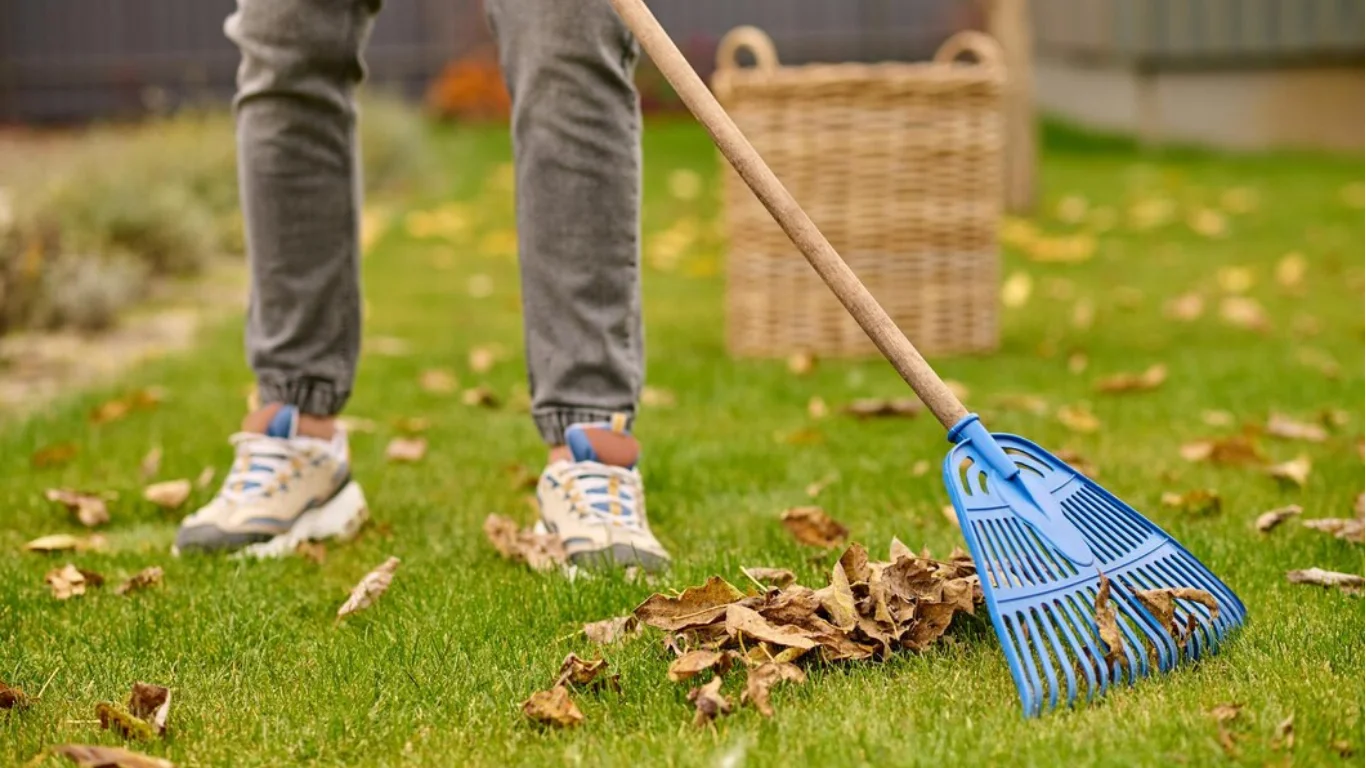
Raking leaves and collecting debris prevents pests from hiding in the garden. Composting organic waste is an eco-friendly option. Regular removal keeps the garden looking fresh and tidy.
Weeding and Trimming Plants
Weeds compete with plants for nutrients and water. Regular weeding ensures healthier plant growth and a cleaner appearance. This is a vital step in how to clean garden maintenance routines.
Trimming overgrown plants improves shape and encourages new growth. Proper pruning tools help avoid plant damage. Well-maintained plants enhance the garden’s visual appeal.
Cleaning Garden Paths and Surfaces
Garden paths often collect dirt, moss, and algae over time. Cleaning these areas prevents slipping hazards and improves appearance. Sweeping and washing paths are essential steps.
Using mild cleaning solutions removes stubborn stains. Regular maintenance extends the lifespan of outdoor surfaces. Clean paths create a welcoming garden environment.
Organizing Garden Furniture and Decorations
Outdoor furniture and décor can gather dust and dirt. Cleaning these items improves the overall look of the garden. Proper organization prevents clutter.
Wiping furniture with suitable cleaning products ensures durability. Storing items properly during bad weather protects them. Organized spaces enhance usability.
Managing Garden Waste Responsibly
Disposing of garden waste responsibly supports environmental sustainability. Composting organic material enriches soil quality. Recycling non-organic waste reduces landfill impact.
Understanding how to clean garden areas responsibly benefits both the environment and your property. Proper waste management maintains cleanliness. Eco-friendly practices contribute to healthier ecosystems.
Deep Cleaning During Seasonal Changes
Seasonal cleaning helps prepare gardens for changing weather. Removing dead plants and refreshing soil ensures continued growth. This process prevents pest infestations.
Seasonal maintenance also includes checking irrigation systems and plant health. Deep cleaning keeps the garden ready for new planting cycles. Consistent care ensures year-round beauty.
Preventing Future Garden Clutter
Regular maintenance reduces the need for extensive cleaning. Establishing a cleaning schedule helps maintain order. Simple habits like removing debris weekly prevent buildup.
Understanding how to clean garden spaces consistently saves time. Preventive care improves plant health. Organized gardens remain attractive and manageable.
Safety Tips During Garden Cleaning
Wearing protective gear prevents injuries. Gloves, proper footwear, and sun protection are essential. Safe tool handling reduces accidents.
Hydration and rest are important during extended cleaning sessions. Safety precautions ensure efficient and enjoyable work. Careful practices protect both the gardener and plants.
Conclusion
Learning how to clean garden areas effectively ensures a healthy, attractive outdoor space. Regular maintenance, proper tools, and responsible waste management are key to success. Clean gardens improve plant health, enhance property value, and create relaxing environments.
By following these steps, homeowners can maintain beautiful gardens year-round. Consistent care prevents major cleanup challenges. A clean garden offers both visual appeal and personal satisfaction.
FAQs
How often should I clean my garden?
Weekly maintenance helps prevent clutter and keeps plants healthy.
What tools are essential for garden cleaning?
Rakes, gloves, pruning shears, brooms, and lawn bags are commonly used.
Can garden waste be composted?
Yes, organic waste like leaves and plant trimmings can be composted.
Is seasonal garden cleaning necessary?
Seasonal cleaning prepares plants for weather changes and prevents pest issues.
How can I prevent weeds from returning?
Regular weeding, mulching, and proper soil care help reduce weed growth.