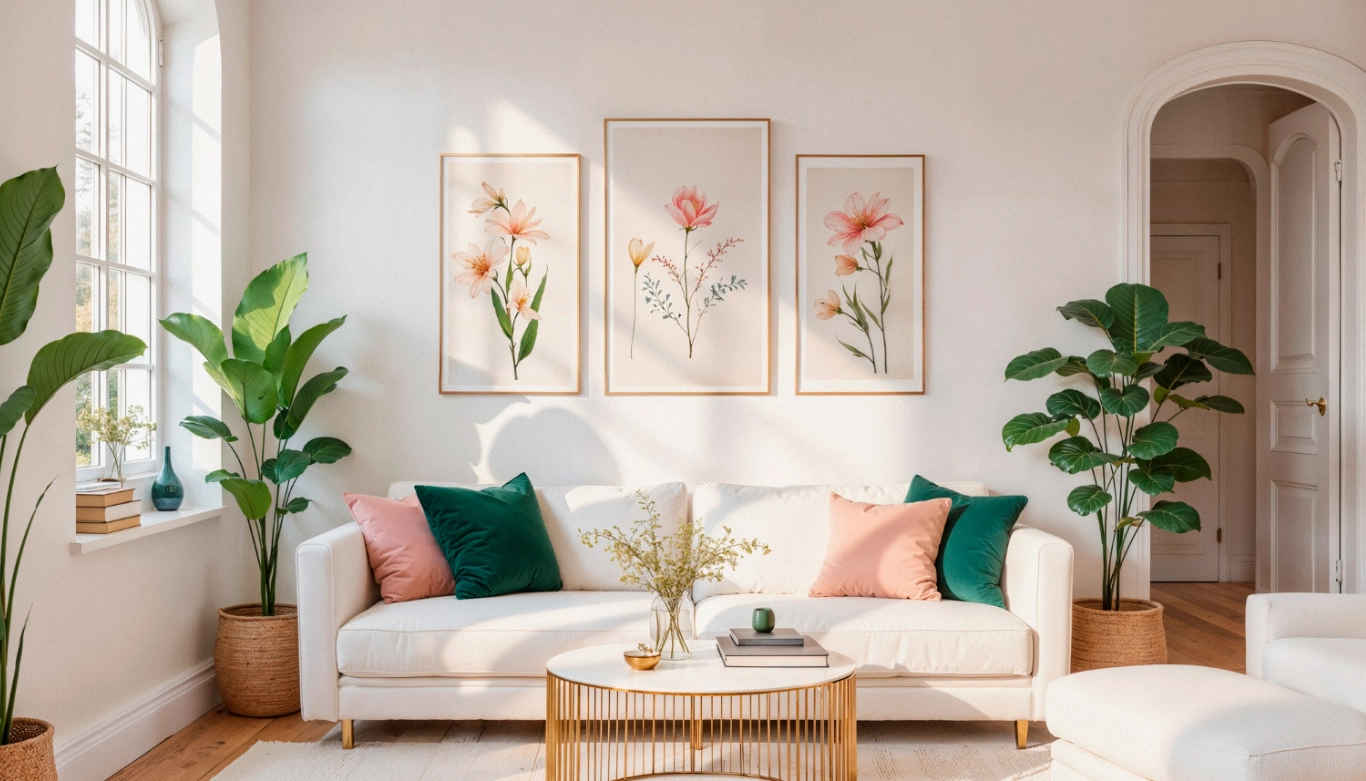
Interior wall art plays a vital role in enhancing the visual appeal and personality of a home. It helps transform plain walls into expressive design features that reflect individual taste and creativity. From modern prints to traditional paintings, wall art adds character, depth, and warmth to interior spaces. Understanding how to select and arrange interior wall art can significantly improve the overall atmosphere of any room.
Importance of Interior Wall Art in Home Design
Interior wall art contributes to the overall balance and harmony of a room. It serves as a focal point that captures attention and complements existing furniture and decor. Well-chosen artwork can create a welcoming and inspiring environment. It also helps fill empty spaces that might otherwise appear dull.
Beyond aesthetics, interior wall art can influence mood and ambiance. Bright and vibrant pieces bring energy to a room, while calm designs create a relaxing atmosphere. Personal artwork choices often reflect lifestyle and personality. This makes wall art an important element of interior expression.
Types of Interior Wall Art
There are many styles of interior wall art available to suit different design preferences. Paintings, framed prints, photographs, and canvas art are among the most popular choices. Each option offers unique textures and visual effects. Selecting the right style depends on the theme of the space.
Modern homes often feature abstract or minimalist interior wall art. Traditional interiors may include classic paintings or decorative tapestries. Metal wall sculptures and wooden carvings are also gaining popularity. Exploring different types allows homeowners to find artwork that enhances their decor.
Choosing the Right Interior Wall Art
Selecting the right interior wall art requires careful consideration of size, color, and theme. Artwork should complement the existing color palette of the room. Balanced proportions ensure that the piece fits the wall without overwhelming the space. Thoughtful selection improves visual harmony.
Personal preference is equally important when choosing interior wall art. Pieces that reflect hobbies, memories, or cultural influences add meaning to the decor. Coordinating artwork with furniture and lighting enhances the overall design. A well-chosen piece can transform the look of an entire room.
Placement and Arrangement Tips
Proper placement is essential for maximizing the impact of interior wall art. Hanging artwork at eye level usually provides the best visual balance. Spacing between pieces should remain consistent for a clean and organized look. Thoughtful arrangement enhances the design flow.
Gallery walls are a popular approach to displaying multiple pieces of interior wall art. Combining different frame styles and sizes can create a dynamic display. Planning the layout before hanging ensures symmetry and balance. Strategic placement highlights the beauty of each piece.
Interior Wall Art for Different Rooms
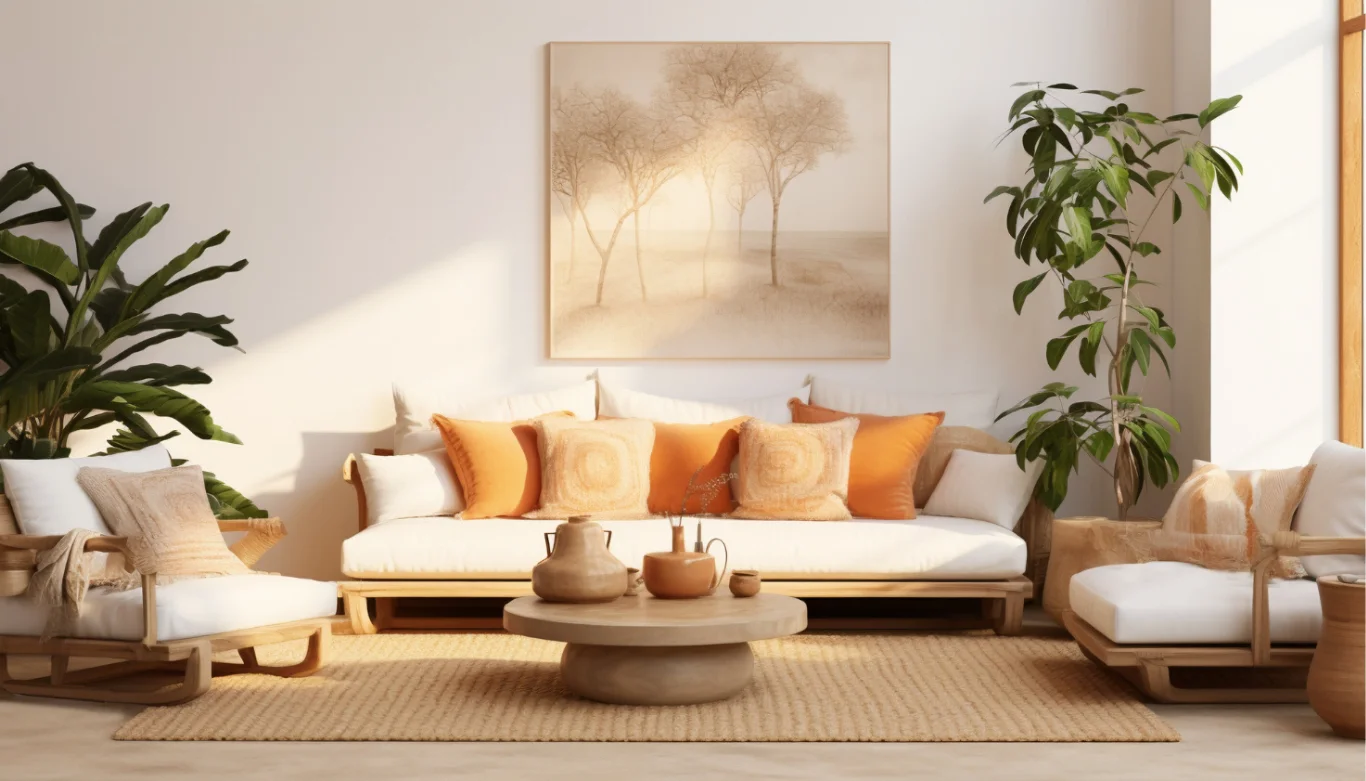
Interior wall art can be tailored to suit the function and mood of each room. In living rooms, large statement pieces often serve as focal points. Bedrooms benefit from softer, calming artwork that promotes relaxation. Dining areas may feature vibrant or elegant designs to enhance the atmosphere.
Home offices can use motivational or creative interior wall art to inspire productivity. Kitchens often include simple decorative prints or themed artwork. Matching the style of artwork with the purpose of the room ensures a cohesive interior design. Proper selection improves both aesthetics and functionality.
Maintenance and Care
Maintaining interior wall art properly helps preserve its beauty and longevity. Dusting frames and surfaces regularly prevents buildup that may damage materials. Keeping artwork away from direct sunlight protects colors from fading. Proper care ensures lasting visual appeal.
Humidity and temperature fluctuations can also affect certain types of interior wall art. Using protective frames or glass covers can provide additional security. Regular inspection helps identify potential damage early. Consistent maintenance keeps artwork looking fresh and vibrant.
Conclusion
Interior wall art is a powerful design element that enhances the style and personality of any home. By selecting suitable pieces, arranging them thoughtfully, and maintaining them properly, homeowners can create visually appealing spaces. Artwork adds depth, color, and emotional connection to interior environments. Investing in well-chosen interior wall art transforms ordinary walls into meaningful design statements.
FAQs
What is the best type of interior wall art for living rooms?
Large canvas prints or statement paintings are popular for living rooms. They create a focal point and enhance the room’s overall design. Choosing artwork that matches the color scheme improves visual harmony.
How high should interior wall art be hung?
Interior wall art is typically hung at eye level for balanced viewing. The center of the artwork should align with the average eye height. This placement creates a natural visual connection.
Can interior wall art make a room look bigger?
Yes, strategically placed interior wall art can enhance the perception of space. Light colors and horizontal artwork can create a sense of openness. Proper arrangement improves room balance.
How do I maintain interior wall art?
Regular dusting and keeping artwork away from direct sunlight helps maintain quality. Protective frames can prevent damage from humidity. Proper care preserves the artwork’s appearance for years.