Repainting epoxy floor surfaces is a practical way to restore durability, appearance, and protection without replacing the entire floor. Over time, epoxy floors can fade, peel, or develop scratches due to heavy foot traffic, vehicles, moisture, or chemical exposure. Many homeowners and business owners choose repainting epoxy floor solutions to extend floor life and maintain a clean, professional look.
This article explains repainting epoxy floor in detail, including when it is needed, preparation steps, materials, application methods, costs, and maintenance. The information is structured to help you achieve long-lasting results while avoiding common mistakes that reduce epoxy performance.
What Is Repainting Epoxy Floor
Repainting the epoxy floor means applying a new epoxy coating over an existing epoxy surface after proper preparation. This process restores the protective layer and improves the floor’s appearance. It is commonly done in garages, basements, warehouses, and commercial spaces.
The success of repainting epoxy floor depends on surface bonding. Old epoxy must be cleaned and roughened so the new coat adheres properly. Without preparation, the new epoxy may peel or bubble.
When Repainting Epoxy Floor Is Necessary
Epoxy floors need repainting when signs of wear appear. Common signs include discoloration, peeling edges, cracks, or dull surfaces caused by UV exposure and abrasion. High-traffic areas usually show damage sooner than low-use areas.
Repainting epoxy floor at the right time prevents further deterioration. Early repainting avoids costly repairs and protects the concrete underneath. Ignoring damage often leads to moisture penetration and structural issues.
Benefits of Repainting Epoxy Floor
Repainting epoxy floor restores both function and appearance. A new coating improves resistance to moisture, chemicals, stains, and impact damage. It also enhances safety by allowing the addition of anti-slip additives.
Another benefit is cost efficiency. Repainting epoxy floor is far cheaper than removing old epoxy and installing a new system. It also increases the lifespan of the concrete surface.
Surface Preparation for Repainting Epoxy Floor
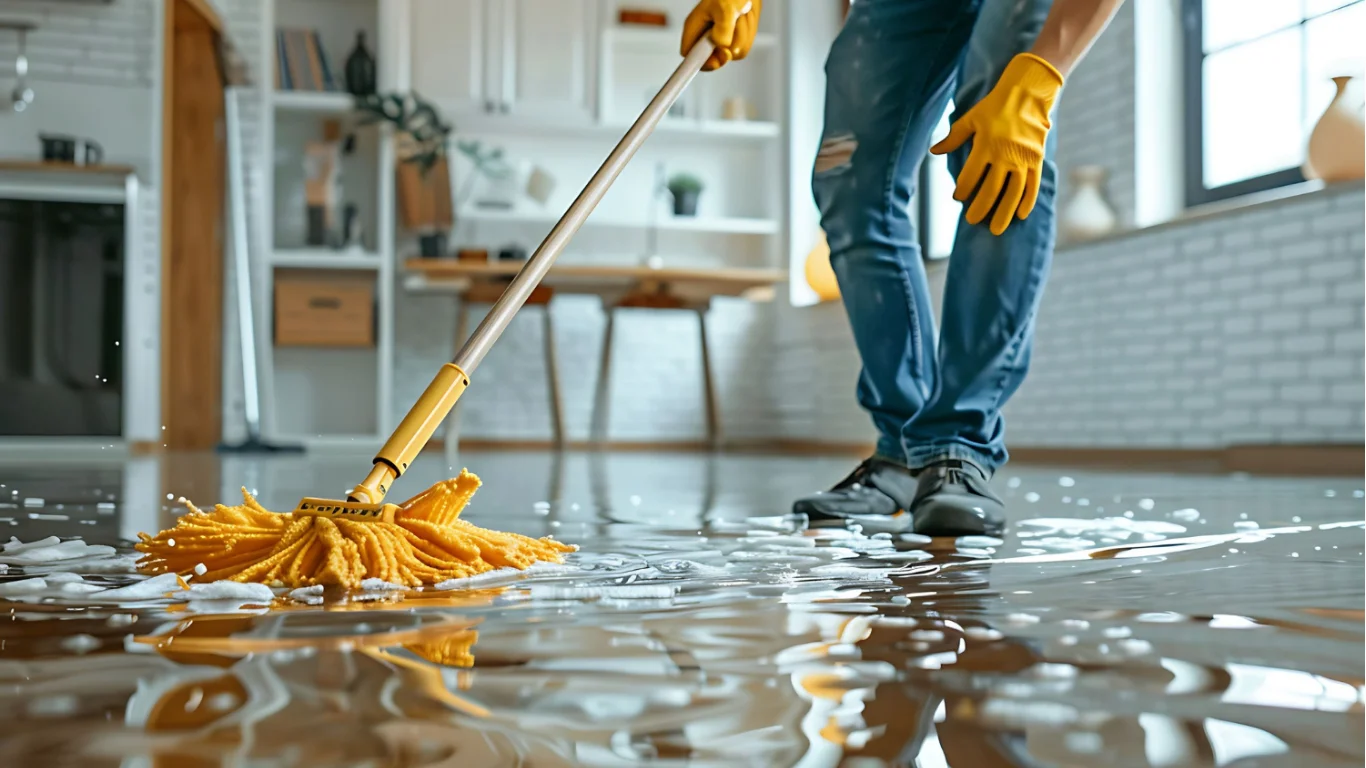
Proper preparation is the most critical step in repainting epoxy floor projects. The surface must be thoroughly cleaned to remove dirt, grease, oil, and chemical residue. Any contaminants left behind can cause bonding failure.
The floor must also be mechanically roughened using sanding or grinding. This creates a texture that allows the new epoxy to adhere. Skipping preparation is the most common cause of peeling and delamination.
Repairing Damage Before Repainting
All cracks, chips, and holes must be repaired before repainting epoxy floor surfaces. Epoxy patch compounds or concrete fillers are used to level damaged areas. Uneven surfaces affect both appearance and durability.
Repairs should be fully cured before applying the new epoxy coat. Proper repairs ensure a smooth, uniform finish. This step also prevents damage from spreading under the new coating.
Choosing the Right Epoxy for Repainting
Selecting the correct epoxy product is essential for repainting epoxy floor successfully. Water-based epoxy is easier to apply and suitable for light-use areas. Solvent-based and 100 percent solid epoxy provide higher durability for garages and commercial floors.
The choice depends on traffic level, moisture exposure, and desired finish. Using compatible epoxy systems prevents chemical reactions that can cause coating failure. Always follow manufacturer recommendations.
Application Process for Repainting Epoxy Floor
Repainting epoxy floor involves mixing epoxy components accurately and applying them evenly with rollers or squeegees. The application should start from the farthest corner and move toward the exit. Consistent thickness ensures even curing and appearance.
Multiple coats may be required depending on product type and condition of the old epoxy. Proper curing time between coats is essential. Rushing this process weakens adhesion and durability.
Curing Time and Floor Usage
Curing time varies depending on epoxy type and environmental conditions. Most epoxy floors allow light foot traffic after 24 hours and full use after 72 hours. Cooler temperatures and high humidity can extend curing time.
Repainting epoxy floor should never be rushed back into use. Premature traffic can cause marks, dents, or coating failure. Following curing guidelines ensures maximum performance.
Cost of Repainting Epoxy Floor
The cost of repainting epoxy floor typically ranges from $3 to $7 per square foot. DIY projects cost less but require proper tools and preparation. Professional services cost more but provide consistent quality and durability.
Costs depend on surface condition, epoxy type, and labor rates. Investing in quality materials and preparation reduces future repainting expenses. Long-term value matters more than initial cost.
DIY vs Professional Repainting Epoxy Floor
DIY repainting epoxy floor projects are suitable for small areas with minimal damage. They require careful preparation, correct mixing, and controlled application. Mistakes can lead to peeling and wasted materials.
Professional repainting epoxy floor services are recommended for large or high-traffic areas. Professionals use industrial equipment and moisture testing tools. This ensures strong adhesion and long-lasting results.
Maintenance After Repainting Epoxy Floor
Proper maintenance extends the life of repainted epoxy floors. Regular sweeping and mild cleaning prevent dirt buildup. Harsh chemicals should be avoided to protect the coating.
Using mats in high-traffic areas reduces wear. Routine inspections help detect early damage. Maintenance keeps repainting epoxy floor results looking new for years.
Common Mistakes to Avoid
Skipping surface preparation is the most common mistake in repainting epoxy floor projects. Applying epoxy over dirty or smooth surfaces leads to failure. Incorrect mixing ratios also weaken the coating.
Another mistake is ignoring moisture issues. Moisture trapped under epoxy causes bubbling and peeling. Testing moisture levels before repainting is essential for success.
Conclusion
Repainting epoxy floor is an effective way to restore durability, safety, and appearance without full replacement. Proper preparation, correct epoxy selection, and careful application are essential for long-lasting results. When done correctly, repainting extends floor life and protects concrete surfaces.
Whether done DIY or professionally, repainting epoxy floor offers strong value and performance. With the right approach, the new coating can last for many years and maintain a clean, durable finish.
FAQs
How long does repainting epoxy floors last?
With proper preparation and maintenance, repainted epoxy floors can last 5 to 10 years.
Can I repaint the epoxy floor without sanding?
No, sanding or grinding is required to ensure proper adhesion of the new coating.
How soon can I walk on a repainted epoxy floor?
Light foot traffic is usually allowed after 24 hours, but full curing takes longer.
Is repainting epoxy floor cheaper than replacement?
Yes, repainting is significantly more affordable than removing and reinstalling epoxy.
Can moisture cause epoxy repaint failure?
Yes, moisture trapped under the surface can cause bubbling and peeling if not addressed.